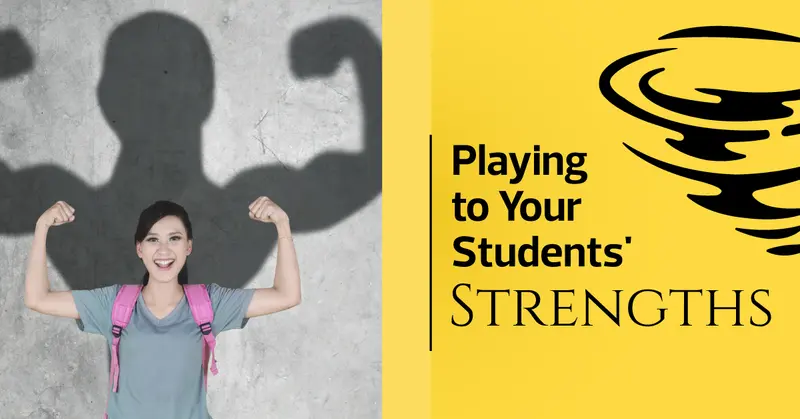
One of the most powerful things a theatre program can offer students is not just performance skills, but real empowerment. Empowerment in theatre education isn’t about giving students free rein without structure; it’s about creating a space where they are trusted with responsibility, supported through clear expectations, and allowed to experiment, and sometimes fail, within a safe environment.
Empowerment began with the belief that every student deserves a place to succeed. Think of drama class and productions as laboratories: places where students can try ideas, take risks, and learn from the outcome without fear of punishment or embarrassment. That sense of safety makes it possible for students to stretch themselves creatively and personally.
Leadership as a Learning Tool
A major part of empowerment comes from intentionally developing student leaders. Let students take ownership of areas like costumes, props, publicity, and stage management of your theatre productions.
Hold weekly meetings with student leaders, just like a professional theatre company would. Set expectations, timelines, and give students the tools they need to succeed. For example, perhaps your costume team needs a checklist of tasks to follow, or your stage manager needs a separate one-on-one meeting with you before rehearsals. If someone struggles or falls behind, as inevitably happens, address it as a team.
Sometimes things don’t go perfectly. A costume design doesn’t come together, or a student couldn’t follow through. Problem solve with your students. If costumes aren’t ready, what can actors wear instead? Experiences like this reinforce a critical lesson: Responsibility matters, but collaboration matters more. The ensemble steps in. The work continues.
Theatre as a Collaborative Ecosystem
Empowerment also means recognizing that leadership doesn’t only come from the teacher. Is there a former student who can come in to choreograph? Is there a current student who wants to direct? That kind of trust sends a powerful message: You are capable. Your voice matters.
This approach is intentional. You are doing a full year of teaching, plus shows, plus whatever else is put on your plate. Teach students that they are not just participants, they are collaborators.
How Does Empowerment Happen?
Student empowerment doesn’t happen by accident. It requires:
- Clear expectations
- Real responsibility
- Consistent support
- Trust in students’ ability to rise to the challenge
When students are treated as artists, leaders, and collaborators, they begin to see themselves that way. Theatre education, at its best, doesn’t just produce shows, it produces confident, capable, empathetic humans who know how to work with others toward a common goal.
That is the true power of empowerment in theatre education.