
Texas Essential Knowledge and Skills for Theatre Arts
MS 117.211 LI - Creative Expression: production
15 units • 7 professional development courses aligned to
C.3.B - create suitable environments for dramatizations.
View all Standards for Texas Essential Knowledge and Skills for Theatre Arts
C.3.B create suitable environments for dramatizations.
This page lists 15 units and 7 professional development courses aligned to C.3.B from the Texas Essential Knowledge and Skills for Theatre Arts. Designed for drama teachers, these resources directly address C.3.B - create suitable environments for dramatizations.
PD COURSE
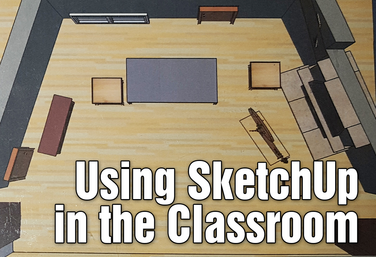
Using SketchUp in the Classroom
by Ray Palasz
6 modules
55 minutes
2 Credit Hours
Instructor Ray Palasz leads this introductory course in using SketchUp in the classroom.
This course is broken down into five easy modules. One, downloading the program. Two, getting started with using the program. Three, drawing two and three-dimensional objects. Four, using the 3D warehouse, which will save you and your students tons of time. And five, a sample assignment and assessment for your students.
Each module also comes with a handout with visuals from SketchUp to guide you through the process. You will learn how SketchUp can add so much to your program.
PD COURSE
21st Century Skills Through Devising
by Allison Williams
12 modules
1 hours, 18 minutes
4 Credit Hours
Allison Williams leads the course: 21st Century Skills Through Devising. This course covers what devising is, why to do it, how to do it, and how your students can master the 21st Century Skills of collaborations and cooperation, critical thinking, creative thinking through devising.
High school is a great place to try devising with your students. But it’s not something you want to throw at your students without any preparation. Framework is important and this course takes you through a number of exercises you can take into the classroom tomorrow to help build a place of physical safety, a place where students work at making a lot of choices instead of waiting for the perfect choice, and a place where students feel comfortable making creative choices. The material also reviews the process of putting together a show from the idea/research stage to editing, to giving feedback.
Your students have what it takes to create their own material, collaborate with each other, and have a unique theatrical experience!
PD COURSE
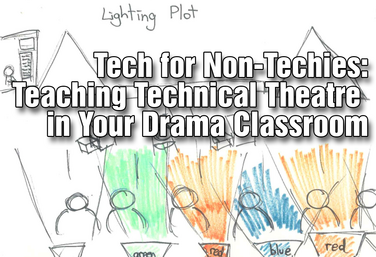
Tech for Non-Techies: Teaching Technical Theatre in Your Drama Classroom
by Josh Hatt
10 modules
3 hours, 23 minutes
7 Credit Hours
In this course, instructor Joshua Hatt shows you how to unpack your drama standards, articulate what you want your students to know and be able to do. The material explores how to incorporate lights, sound, makeup, staging, and costuming into your drama class at any grade level regardless of your school resources or unit structure. Bells and whistles? Awesome! Barely a classroom? We’ve still got you covered.
This 9 lesson series works from the basics and standards, though lighting, sound, costuming, staging, and makeup design, and culminates with a final project including rubrics, resources, and handouts.
A wise theatre technician once said: “the theatre mirrors life but technical theatre teachers us how to live.” Try to keep that statement in mind as you work through this course and see if we can make you a believer in all things technical theatre.

PD COURSE
Director's Toolbox 2: Teaching Students to Direct
by James Van Leishout
8 modules
2 hours, 47 minutes
4 Credit Hours
Director’s Toolbox 2: Teaching Students to Direct, explores the tools of the actor, rehearsal, space, and design.
The tool of the actor will focus on creating a safe place to play, auditions, and how to communicate with actors.
Rehearsals will look at the whole process from the first meeting to opening night.
The tool of space will explore how to direct in different spaces and how to create focus through stage composition.
Discover how an understanding of the elements of design help student-directors communicate with designers. The final step is a return to self and the mastery of self evaluation.
PD COURSE
The Dilemma Project
by Claire Broome
16 modules
1 hours, 29 minutes
3 Credit Hours
Moral dilemmas are not only faced by characters in gripping plays, but are also faced by our students. The project outlined in this course will help students develop their critical thinking skills through the use of one of the dilemma questions to shape a student written production.
If you had the choice to press a button and earn $25,000,000... but a species (not of your choosing) would become extinct, what would you do? More importantly, what would your character do?
Join drama teacher and playwright Claire Broome through this course which includes role-playing, Stanislavski’s Magic If, character creation, playwriting and staging.
PD COURSE
Hands-On Theatre History: Creating a Modern Day Morality Play
by Wendy-Marie Martin
11 modules
1 hours, 25 minutes
3 Credit Hours
Who says theatre history has to be boring? Hands-On Theatre History: Creating a Modern Day Morality play is an interactive course by Wendy-Marie Martin, combining hands-on activities with research and analysis techniques leading to a full performance of the popular medieval morality play, Everyman.
This course gives students an overview of the medieval period and the various medieval play forms and teaches students the key points of storytelling and adaptation.
It includes dynamic individual and group exercises leading students from the first steps of the adaptation process through a final, full-class performance of Everyman—and proves, once and for all, that theatre history can be fun and exciting to learn.
PD COURSE
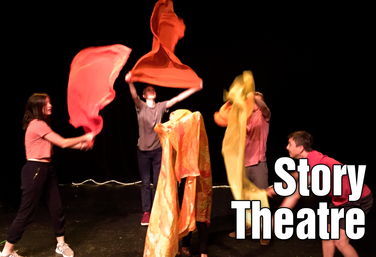
Story Theatre
by Matt Webster
10 modules
1 hours, 23 minutes
2 Credit Hours
Instructor Matt Webster believes that Story Theatre is one of the most creative, most imaginative, most unique forms of theatre ever to make its way to the stage. His course introduces the style of theatre called story theatre, explores the steps needed to choose the best stories to perform, explains how to adapt a story into a script, and demonstrates a variety of story theatre styles from simple and contained to complex and crazy and everything in between.
When you are finished with this course, you’ll be able to bring nearly any story to any stage and present it to any audience. That is the power and promise of story theatre. Learn how to bring the page to the stage.
View all Standards for Texas Essential Knowledge and Skills for Theatre Arts Standards Master List
