
Ontario, Canada
Grade 12 - Foundations - Responsible Practices
9 units • 4 professional development courses aligned to
C.3.1 - identify and follow safe and ethical practices in all drama activities
View all Standards for Ontario, Canada
C.3.1 identify and follow safe and ethical practices in all drama activities
This page lists 9 units and 4 professional development courses aligned to C.3.1 from the Ontario, Canada. Designed for drama teachers, these resources directly address C.3.1 - identify and follow safe and ethical practices in all drama activities
PD COURSE
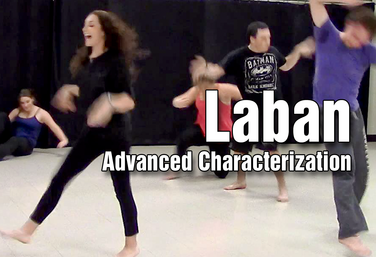
Laban: Advanced Characterization
by Todd Espeland
9 modules
2 hours, 5 minutes
8 Credit Hours
Learn about the Laban system to teach your students to physically and vocally discover character. This is an advanced course, which means that the course goes deep into exploring character and exploring character work through the work of Rudolph Laban.
PD COURSE
The Production Classroom
by Karen Loftus
8 modules
1 hours, 46 minutes
4 Credit Hours
In The Production Classroom, instructor Karen Loftus will show you how to explore ways that you can produce shows during your regular class time. The course gives you a series of exercises and reflections that help you determine everything, from the type of show you may want to do, to the way you can divide up your class and responsibilities, to specific assignments that will keep your students engaged and focused.
The Production Classroom is the ultimate in project-based learning. Students learn to work collaboratively while setting goals and working towards a successful finished project. The course includes exercises and strategies to use with students to help assure their success in the production. Multiple examples and anecdotes help you to envision what the production classroom could look like in your room, performance space or theatre.
PD COURSE
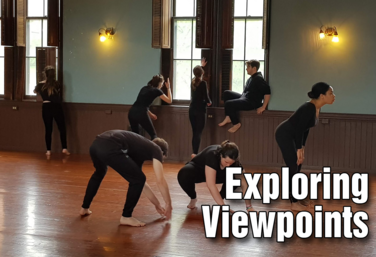
Exploring Viewpoints
by Erin Carr
11 modules
3 hours, 28 minutes
5 Credit Hours
Viewpoints is used to create dynamic moments of theatre by simply existing on the stage. However, Viewpoints is more than just an acting technique to understand your own physicality and more than a directing technique to create “ah-ha!” moments on stage. It is first and foremost the philosophy that to create an organic performance, you must see obstacle as opportunity, and that by simply standing in space, your creativity can spark.
This course by Erin Carr will help your students discover fresh impulses that motivate their performance in the moment. We will go through the Viewpoints technique, as created by Mary Overlie, and learn how to tap into kinesthetic awareness as individuals and as an ensemble. Through this style of play, students learn to release their thoughts on what they “should” do, and instead just respond organically to their surroundings and ensemble!
We’re going to break down each of the Viewpoints, there’s lots of visual demonstration, so you can see each Viewpoint in action, and I’m going to provide tips and side coaching examples.
PD COURSE
Tech Knowledge: Integrating Tech Throughout Your Rehearsal Process
by Claire Broome
17 modules
1 hours, 52 minutes
3 Credit Hours
This course will help you integrate technical theatre earlier in the creative process to help reduce the stress of tech week, and make sure you have what you need before choosing a show. We will explore how to include your technical theatre team from day one and will help you have an easier experience throughout the rehearsal process and final performances.
View all Standards for Ontario, Canada Standards Master List