
Alberta, Canada
Junior Orientation
11 units • 7 professional development courses aligned to
investigate a variety of roles and situations
View all Standards for Alberta, Canada
investigate a variety of roles and situations
This page lists 11 units and 7 professional development courses aligned to from the Alberta, Canada. Designed for drama teachers, these resources directly address investigate a variety of roles and situations
Unit
1
of
14
in
Drama One
Curriculum
UNIT
What is Theatre?
by Karen Loftus
2 lessons
Students will explore the question “What is theatre?” and contrast theatre to film. They will also begin their introduction to a couple of theatre roles.
Unit
7
of
14
in
Drama One
Curriculum
UNIT
Commedia Dell'Arte
by Karen Loftus
5 lessons
Students will discover, analyze, and explore the history, characters, and style of commedia dell’arte.
Commedia dell’arte is a theatre history unit mixed with improvisation, physicalization, and exploring specific characters. In this unit, we’re going to focus on three main aspects:
1. Causes and Effects of Commedia (History)
2. Stock Characters
3. Commedia Performance Practices
UNIT
Theatre of the Absurd
by Lea Marshall
13 lessons
WARNING: This unit is ABSURD. However, instructor Lea Marshall decided to do something really ABSURD with the unit, which was make it a bit more predictable. First, the unit takes two lessons to go over the Historical and Philosophical background of Theatre of the Absurd. It starts with just a visual exercise to really bring students into the emotional bleakness of the landscape and then group work to look at some of the other foundational elements that will drive the Absurdist movement into the Theatres.
Next, students break down absurd scripts into some “recognizable” elements of language, plot structure, acting choices, and storyline. With each lesson that introduces an Absurdist Element, there is an opportunity for students to “play” with the element. Then, students explore the element through an Absurdist text. This will help familiarize the students with the 4 Absurdist scripts used in the unit. These bite sized forays into the scripts will help students to choose a script to fully immerse themselves in for the final project.
As a final project, students will choose one script to work with, and choose the format of their project (performance, costume or set design, or playwright).
UNIT
Commedia dell'Arte
by Todd Espeland
14 lessons
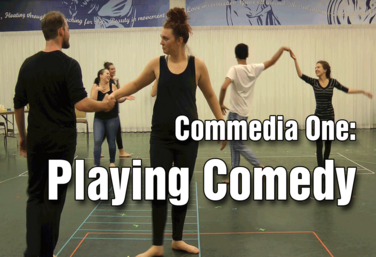
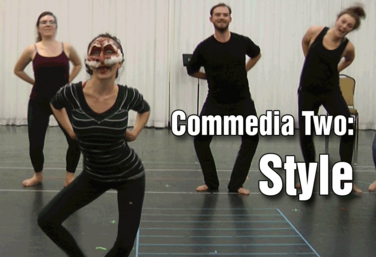
Commedia dell’arte is a 16th century masked acting form. It is the basis of all comedy, including all tv sitcoms. This form is characterized by masked types and archetypical characters and a specific way of playing comedy. To that end, this unit is divided into two parts.
Part One focuses on the foundations of commedia - playing comedy. These principles will be important to learn when it comes to developing commedia characters, specifically the physicality of the characters. Part Two will cover lazzi.
Note: there are links to video demos in many of the lessons of this unit.
UNIT
Theatre Etiquette
by Kerry Hishon
5 lessons
When teaching students who are brand new to theatre, it’s important to discuss and apply the expectations of the drama classroom and the theatrical world. How do you implement and instill theatre etiquette in your classroom and your rehearsals – before a show and backstage? A cohesive theatrical community starts with the rules and codes of behaviour both onstage and off.
Topics covered within the unit include: What is Etiquette, Real World vs Theatre World Etiquette, Audience Etiquette, Audition Etiquette, Pre-Show and Performance Etiquette. The unit ends with a culminating activity which included a rubric and reflection.
Unit
8
of
8
in
Middle School
Curriculum
UNIT
Unit Eight: Theatre of the Oppressed
by Lindsay Johnson
10 lessons
Students will have a chance to merge their understanding of scene elements with their improvisation skills in this final unit based on Augusto Boal’s Theatre of the Oppressed. Theatre of the Oppressed is a style of theatre specifically created to highlight the injustices of power and oppression in society and to problem-solve ways to bring about change.
Starting with image theatre techniques to identify issues of power and oppression, students will then use forum theatre to create scenarios of oppression taken from their own lives and improvise realistic solutions.
The unit culminates in a performance in which students participate as both actors in a scene they create themselves and spect-actors in scenes created by their peers.
Unit
1
of
11
in
Distance Learning
Curriculum
UNIT
What is Theatre?
by Lindsay Price and Karen Loftus
3 lessons
Students will establish a definition of theatre, know the difference between theatre and film, and start to explore who’s who in the theatre.
Unit
7
of
11
in
Distance Learning
Curriculum
UNIT
Theatre of the Absurd
by Lea Marshall
13 lessons
We included this unit in our Distance Learning Curriculum because if any group of students would understand how the world turned upside down and then apply it to theatre, it would be the students dealing with a global pandemic.
First, we take two lessons to go over the historical and philosophical background of Theatre of the Absurd. We start with a visual exercise to bring students into the emotional bleakness of the landscape and then group work to look at some of the other foundational elements that will drive the absurdist movement into the theatres. Next, we break down absurd scripts into some “recognizable” elements of language, plot structure, acting choices, and storyline. In each lesson that introduces an absurdist element, there is an opportunity for students to “play” with the element.
UNIT
Absurdism: Beyond the Origins
by Drama Teacher Academy
6 lessons
In most units that cover the Theatre of the Absurd, the number of playwrights addressed are few and the time period is limited. While it is certainly true that the era identified as “The Theatre of the Absurd” was a reaction to the distorted reality of life after World War II, there are many environments that create distorted realities and many playwrights who use those realities as catalysts for absurdist plays.
In this unit, we will start with a traditional look at the Theatre of the Absurd and then expand our exploration beyond its origins.
UNIT
Play Adaptation Project
by Lindsay Price
5 lessons
Adaptation is a fabulous classroom project: it requires students to analyze, adapt, modify, plan, synthesize, and devise. However, it takes skill to write a successful adaptation; you can’t just throw a narrator into a script and consider the work done. In this unit, students will go through a step by step pre-writing process in order to prepare them to write their own adaptations. They will learn and practice the elements of adaptation before writing the first draft of their own theatrical adaptations.
UNIT
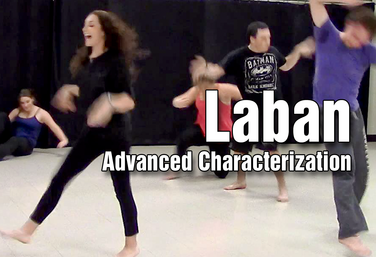
Laban: Advanced Characterization
by Drama Teacher Academy
7 lessons
This is an advanced acting unit in playing character through the Laban movement technique. Students will explore dance theorist Rudolf Laban’s eight efforts and their component parts; turn these elements into physicalizations through which one can express character; use Laban efforts and connect them to a character’s voice and body; and demonstrate knowledge through the creation of an original character.
Reminder: This is an advanced acting unit. You will need students who can do work on their own outside of class time, commit to movement and sound, and commit to making instinctual choices.
View all Standards for Alberta, Canada Standards Master List