
Alberta, Canada
Directing - Drama 30
10 units • 6 professional development courses aligned to
1 - demonstrate understanding of the function of the director
View all Standards for Alberta, Canada
1 demonstrate understanding of the function of the director
This page lists 10 units and 6 professional development courses aligned to 1 from the Alberta, Canada. Designed for drama teachers, these resources directly address 1 - demonstrate understanding of the function of the director
PD COURSE
Concept-Based Design for the Theatre Teacher
by Matt Webster
10 modules
1 hours, 38 minutes
3 Credit Hours
Concept-Based Design is a method of design that allows the director and production team to create a unified world based on the ideas, perceptions and images extracted from an in-depth analysis of the play. Matt Webster designed this course for theatre teachers in a typical school setting with limited budgets, space and materials to use towards the design of their shows. Many theatre teachers feel most unsure about their design and tech skills and Matt wanted to help those teachers look at design differently, and make designing a show a little less scary and a little more fun!
PD COURSE
21st Century Skills Through Devising
by Allison Williams
12 modules
1 hours, 18 minutes
4 Credit Hours
Allison Williams leads the course: 21st Century Skills Through Devising. This course covers what devising is, why to do it, how to do it, and how your students can master the 21st Century Skills of collaborations and cooperation, critical thinking, creative thinking through devising.
High school is a great place to try devising with your students. But it’s not something you want to throw at your students without any preparation. Framework is important and this course takes you through a number of exercises you can take into the classroom tomorrow to help build a place of physical safety, a place where students work at making a lot of choices instead of waiting for the perfect choice, and a place where students feel comfortable making creative choices. The material also reviews the process of putting together a show from the idea/research stage to editing, to giving feedback.
Your students have what it takes to create their own material, collaborate with each other, and have a unique theatrical experience!

PD COURSE
Director's Toolbox 1: Teaching Students to Direct
by James Van Leishout
8 modules
2 hours, 12 minutes
3 Credit Hours
In this course, James Van Leishout explores why students should direct, and covers the first two tools in the director’s toolbox: self and the script. What background should every director have? Why should they learn to love research? What should happen in the first four reads of a script?
With every step along the way, there will be exercises and activities your student directors can take on before they step into the rehearsal process.

PD COURSE
Director's Toolbox 2: Teaching Students to Direct
by James Van Leishout
8 modules
2 hours, 47 minutes
4 Credit Hours
Director’s Toolbox 2: Teaching Students to Direct, explores the tools of the actor, rehearsal, space, and design.
The tool of the actor will focus on creating a safe place to play, auditions, and how to communicate with actors.
Rehearsals will look at the whole process from the first meeting to opening night.
The tool of space will explore how to direct in different spaces and how to create focus through stage composition.
Discover how an understanding of the elements of design help student-directors communicate with designers. The final step is a return to self and the mastery of self evaluation.
PD COURSE
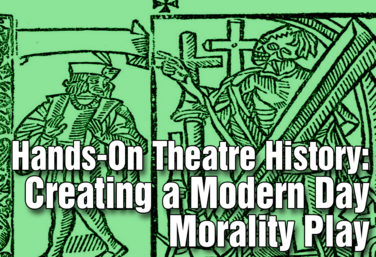
Hands-On Theatre History: Creating a Modern Day Morality Play
by Wendy-Marie Martin
11 modules
1 hours, 25 minutes
3 Credit Hours
Who says theatre history has to be boring? Hands-On Theatre History: Creating a Modern Day Morality play is an interactive course by Wendy-Marie Martin, combining hands-on activities with research and analysis techniques leading to a full performance of the popular medieval morality play, Everyman.
This course gives students an overview of the medieval period and the various medieval play forms and teaches students the key points of storytelling and adaptation.
It includes dynamic individual and group exercises leading students from the first steps of the adaptation process through a final, full-class performance of Everyman—and proves, once and for all, that theatre history can be fun and exciting to learn.
PD COURSE
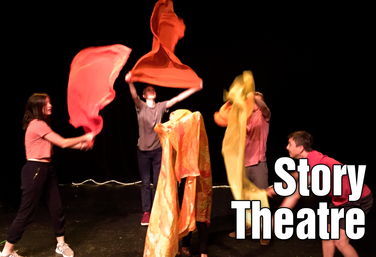
Story Theatre
by Matt Webster
10 modules
1 hours, 23 minutes
2 Credit Hours
Instructor Matt Webster believes that Story Theatre is one of the most creative, most imaginative, most unique forms of theatre ever to make its way to the stage. His course introduces the style of theatre called story theatre, explores the steps needed to choose the best stories to perform, explains how to adapt a story into a script, and demonstrates a variety of story theatre styles from simple and contained to complex and crazy and everything in between.
When you are finished with this course, you’ll be able to bring nearly any story to any stage and present it to any audience. That is the power and promise of story theatre. Learn how to bring the page to the stage.
View all Standards for Alberta, Canada Standards Master List