You’ve found the perfect play! It’s engaging, relevant, and a great fit for your students. BUT, you can’t produce it this year, for any number of reasons.
Maybe your performance calendar is already full. Maybe your budget is looking more “two rolls of gaffer tape” than “full-scale production.” Or maybe your performance space won’t be available for months.
What do you do?
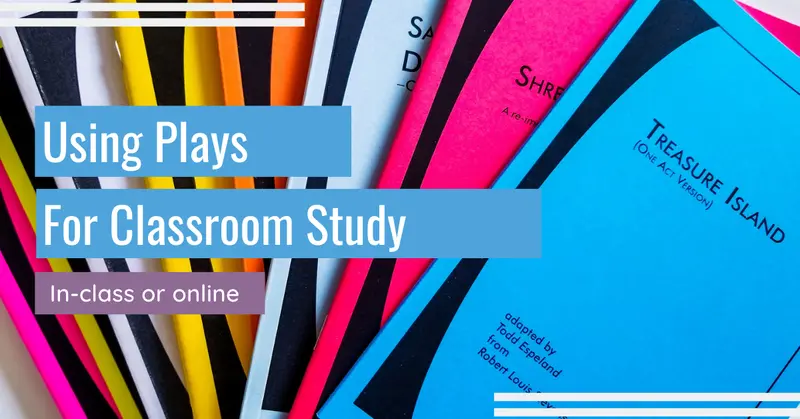
Good news: You don’t need to mount a production to make the most of a play. You can explore its characters, dialogue, and themes — minus the stress of auditions and tech week.
That’s where Theatrefolk’s free Classroom Study Guides come in.
These study guides are designed to help you get the most out of every script you read in class. And the best part? They’re totally free and ready to download whenever you need them.
Before the Read: Build Curiosity and Connections
Every guide starts with Pre-Read Questions and Activities to get students engaged before page one. These are short, focused exercises that:
- Introduce the play’s themes and big ideas.
- Encourage personal connections so students feel invested.
- Spark curiosity about the story they’re about to read.
Example: For Hoodie - a middle school vignette on self-image - the “Identity Chart” exercise asks students to explore how they see themselves, just as the characters do in the play.
During the Read: From “What?” to “Why?”
The Close Reading Questions are organized to guide students through three levels of thinking:
- What happened? (Comprehension)
- How did it happen? (Looking at language, staging, and character choices)
- Why does it matter? (Making connections to playwright intention and personal experience)
It’s a simple structure that works whether you’re reading aloud in class or assigning scenes for homework. You can use these questions as group discussion starters, exit slips, or reflections.
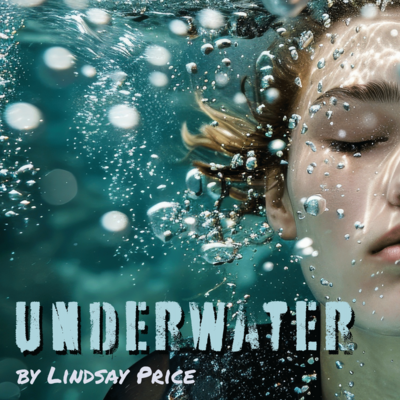
Example: In Underwater, a powerful drama about a competitive teenage swimmer losing her love for the sport, students are asked to analyze the pacing and how it would affect an audience member.
After the Read: Put Creativity Into Action
It’s always important to have students explore a play beyond just reading the script. The Post-Read Activities give students the chance to bring the script to life without the pressure of a full production.
They can:
- Stage one key scene.
- Design a poster that captures the mood of the play.
- Write a brand-new monologue for a side character.
It’s hands-on, it’s fun, and it keeps theatre-making front and center in your classroom.
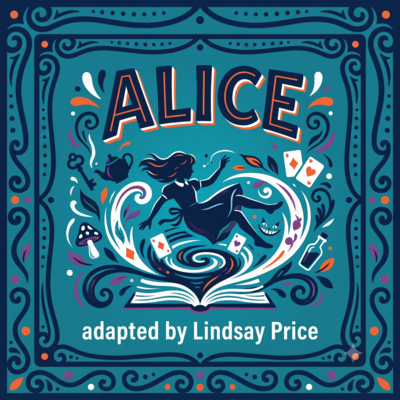
Example: In the adaptation of Lewis Carroll’s Alice, students can design costumes or rehearse a scene from a fresh angle, all while sharpening their performance instincts.
Question: How do I find the free study guides for a play?
Go to the individual play’s page and scroll down to the section with details like play length and cast size.
There, you’ll see a message that says:
Classroom Study Guide
Download a free Classroom Study Guide for this play
Just click the link to access your free digital guide!
Ready to give it a try?
Check out our full library of Classroom Study Guides, pair one with a Classroom Script License to bring the play to life in your classroom, and start building your next great drama class unit - no stage required.