National Core Arts Standards
Relate artistic ideas and works with societal, cultural, and historical context to deepen understanding - Grade HS Proficient
4 units • 5 professional development courses aligned to TH:Cn11.2.HSI.a - Research how other theatre artists apply creative processes to tell stories in a devised or scripted drama/theatre work, using theatre research methods.
TH:Cn11.2.HSI.a Research how other theatre artists apply creative processes to tell stories in a devised or scripted drama/theatre work, using theatre research methods.
This page lists 4 units and 5 professional development courses aligned to TH:Cn11.2.HSI.a from the National Core Arts Standards. Designed for drama teachers, these resources directly address TH:Cn11.2.HSI.a - Research how other theatre artists apply creative processes to tell stories in a devised or scripted drama/theatre work, using theatre research methods.
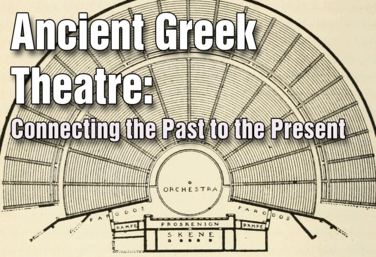
In studying Ancient Greece, we’re looking at the foundations of theatre as we know it today. Without the Ancient Greek Era, we do not get actors, theatres, plays, and the definitions of tragedy and comedy.
The issue with studying theatre history, or anything historical is that it can become an exercise in memorizing dates and reciting facts. When the truth of the matter is no one in the 21st century benefits from learning by rote. This is especially true when studying history in the framework of a drama classroom. We need exercises that bring history to life, instead of having students plot dates on a timeline.
To that end, this unit does not focus on dates and data. The essential question for the unit is how can we connect the past to the present and this question is explored through the theatricalization of information. Students will access all four 21st century skills, critical thinking, creative thinking, collaboration and communication as they explore this amazing world.
Reflections, exit slips, and rubrics are included throughout the unit as well as a mid assignment evaluation for the culminating project.
While the Drama Two Curriculum has a focus on acting, it’s always important to include a unit on the technical theatre skills that are necessary to any production. Students will also be able to use what they’ve learned in this unit in their upcoming devising project.
Students will begin by exploring design for the stage by experimenting with line, shape, texture, size, and color. They will expand their understanding of stage properties and scenic flats. They will then apply their knowledge of these building blocks of design to create a high-concept design for a miniature “stage.”
This unit gives students an overview of the anti-realism movement of the late 19th century and early 20th century and introduces them to some key theorists, playwrights, and theatre makers involved in this movement. Students will be introduced to the “isms” of symbolism, Dadaism, surrealism, expressionism, and absurdism along with various manifestos and theories as we track the characteristics of each “ism.”
In a culminating project, students will design an “ISMS’’ Theme Park, which they will share with the class at the end of the unit. Their project will feature each of the five “isms” in the form of rides, themed concessions areas, entertainment options, and in-park characters.
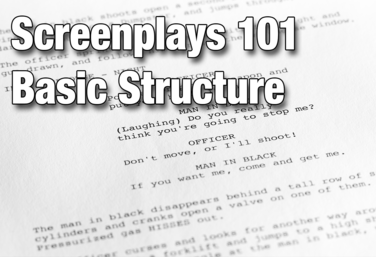
Screenplays 101 is divided into two separate units: Basic Structure and Basic Formatting.
**It is highly recommended that you complete the Basic Structure unit before moving on to the Basic Formatting unit.**
In this unit, we will focus on a basic history of screenplays, screenplay terminology, and the most common screenplay structure in film—the three-act structure. Theatre is important because it allows our young artists to be trained and learn about work ethic and discipline, and it creates community. But, we should also give our students opportunity and access to the cinematic arts. This is primarily a lecture-based unit with a lot of new information, with opportunities for students to apply knowledge including a final culminating project.
Close reading is an activity that puts curriculum standards into practice and it can be easily applied to the drama classroom.
Close reading asks a lot of your students. They have to read and think at the same time.
This course teaches drama teachers how the close reading process works, and gives them exercises and tools to apply it in the classroom.
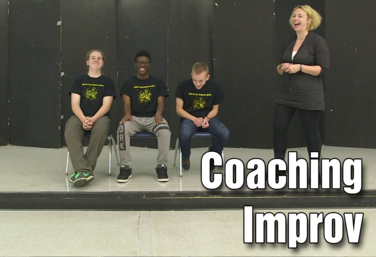
Second City performer and theatre educator Jennine Profeta is back and ready to help you take your Improv classes to the next level. It’s all getting students to perform - and how to be a great improv coach who can keep them supported and grounded (and having fun!)
In this course, you’ll learn the golden rules of improv. You’ll learn a bunch of improv games (great for warm-ups, teaching tools, and even for competitions). You’ll learn Jennine’s tips and tricks for what to look for when coaching and how to troubleshoot common issues.
The course is designed to help you improv as an ensemble and give you the know-how to coach with confidence whether it’s in the classroom or on the stage!
This course is a mix of individual and group activities requiring students to use both their analytical and creative mind. It gives students an overview on the Anti-Realism movement of the late-19th and early-20th century, and introduces them to some key theorists, playwrights, and theater makers involved in this movement.
Together we will guide students through the wild world of the “isms,” more specifically Symbolism, Dadaism, Surrealism, Expressionism and Absurdism. We will introduce students to various manifestos and theories as we track the characteristics of each of our five “isms.” As we combine analysis and creative exercises, students bring their entire self to process and prepare to design an ISM Theme Park project, which they will share with the class at the end of the course.
Jennine Profeta, Second City performer and theatre educator, leads this course. This course was designed to give a teacher tools to create a safe environment in which students can go beyond their old patterns to take risks, embrace failure, be more confident and aware of the effects of their word choice. The course includes modules on risk-taking, creating a safe environment, failure, confidence, and positive/negative speak.
Screenwriter Nick Pappas leads a two-part course on screenplays 101. Great scriptwriting is not something that can be covered in a single course: so we're going to start with the basics. Those basics are going to be split up into a Part 1 and a Part 2. Part 1, this course, will concentrate on basic film structure. Part 2 will concentrate on screenplay formatting.
By the end of this course, students should have a basic understanding of history, terminology, and are able to identify the barest bones of the three-act structure, all with an eye toward developing their own screenplay.
Our parent company Theatrefolk offers a fantastic selection of plays written specifically for high school and middle school students.
Whether for performances or class study, there's something for everyone: relevant & relatable themes, simple sets & costumes, flexible casting options and much more - a perfect addition to any drama program!
Please note:
Plays are offered separately from your membership and can be purchased through Theatrefolk.