
Texas Essential Knowledge and Skills for Theatre Arts
MS 117.213 LIII - Creative Expression: production
10 units • 6 professional development courses aligned to
B.3.D - use technology in theatrical applications such as live theatre, video, and film.
View all Standards for Texas Essential Knowledge and Skills for Theatre Arts
B.3.D use technology in theatrical applications such as live theatre, video, and film.
This page lists 10 units and 6 professional development courses aligned to B.3.D from the Texas Essential Knowledge and Skills for Theatre Arts. Designed for drama teachers, these resources directly address B.3.D - use technology in theatrical applications such as live theatre, video, and film.
PD COURSE
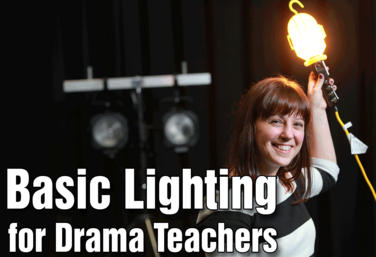
Basic Lighting for Drama Teachers
by Claire Broome
6 modules
36 minutes
1 Credit Hour
Join drama teacher Claire Broome and explore the basics of lighting, including lighting systems and instruments, lighting plots, how to record a lighting cue, and alternative sources of lighting. You’ll learn some practical, hands-on ways of using lighting in your classroom or theatre, whether you have a lighting system or not.
This course is packed with hands-on examples, activities for your students, and videos to develop your students’ understanding. Find out why lighting is such an important character in a production.
PD COURSE
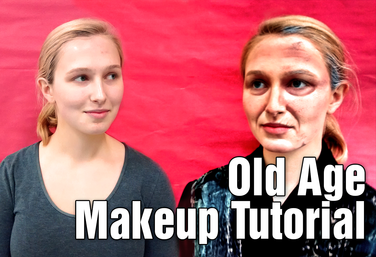
Old Age Makeup Tutorial
by Matt Webster
8 modules
1 hours, 10 minutes
2 Credit Hours
Instructor Matt Webster guides this tutorial on Old Age Makeup. Old age is the number one special effect makeup you will do and it’s a great process to teach in your class.
This video series takes you visually step by step through everything you need to know about creating old age makeup, from the subtle to the extreme. You can view each step individually so they can be practiced one at a time in the classroom.
The first part is the temple and the forehead. The second part are the cheeks and the jaw. Third will be lips, chin, and nose. Fourth is a section on the face called the nasolabial fold. Fifth, the eyes. And the sixth section will be looking at wrinkles, stippling and finishing the makeup look. These sections are designed to be seen one at a time and to teach within a 90-minute class between instruction, setup, practice, and cleanup. When you put them all together, you will have the parts and pieces to make a full old age makeup.
PD COURSE
21st Century Skills Through Devising
by Allison Williams
12 modules
1 hours, 18 minutes
4 Credit Hours
Allison Williams leads the course: 21st Century Skills Through Devising. This course covers what devising is, why to do it, how to do it, and how your students can master the 21st Century Skills of collaborations and cooperation, critical thinking, creative thinking through devising.
High school is a great place to try devising with your students. But it’s not something you want to throw at your students without any preparation. Framework is important and this course takes you through a number of exercises you can take into the classroom tomorrow to help build a place of physical safety, a place where students work at making a lot of choices instead of waiting for the perfect choice, and a place where students feel comfortable making creative choices. The material also reviews the process of putting together a show from the idea/research stage to editing, to giving feedback.
Your students have what it takes to create their own material, collaborate with each other, and have a unique theatrical experience!
PD COURSE
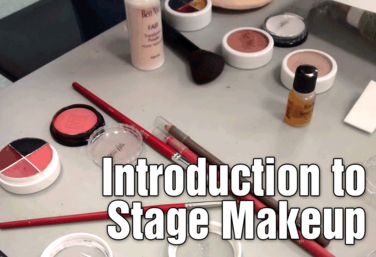
Introduction to Stage Makeup
by Matt Webster
9 modules
54 minutes
2 Credit Hours
This introductory course in Stage Makeup is brought to you by Matt Webster, and covers all the basics. You’ll learn the tools you can use to build a makeup kit, how to match skin tone, what are the shapes of the face and how those shapes affect everything you do with makeup.
You’ll learn about highlight and shadow, blending, basic corrective makeup, safety and hygiene, and lastly, tips for teaching makeup. And throughout, sample exercises are included so you have the information you need to bring stage makeup into the drama classroom.
PD COURSE
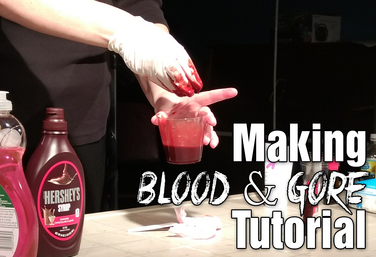
Making Blood and Gore Tutorial
by Linda Veneris
7 modules
33 minutes
2 Credit Hours
This tutorial, led by Linda Veneris, shows teachers and students how to make blood and gore with easy to find, everyday ingredients.
Included are recipes, video demonstrations, and top 10 tips for working with students on blood and gore. This tutorial can be part of a stage makeup unit in your classroom as well as for productions.
PD COURSE
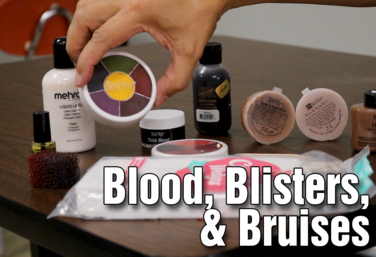
Blood, Blisters & Bruises
by Matt Webster
6 modules
1 hours, 8 minutes
3 Credit Hours
Welcome to Blood, Blisters, and Bruises. This is an introductory course to learn how to use makeup to create scars, blisters, and bruises with a little blood on the side, and a special bonus section on creating zombies. You’re going to learn the techniques and materials you will need to do these special effects, and how to teach your students to do these special effects.
View all Standards for Texas Essential Knowledge and Skills for Theatre Arts Standards Master List