
Alberta, Canada
Improvisation Drama 20
9 units • 7 professional development courses aligned to
36 - integrate improvisational skills learned, in planned and spontaneous improvisations
View all Standards for Alberta, Canada
36 integrate improvisational skills learned, in planned and spontaneous improvisations
This page lists 9 units and 7 professional development courses aligned to 36 from the Alberta, Canada. Designed for drama teachers, these resources directly address 36 - integrate improvisational skills learned, in planned and spontaneous improvisations
Unit
6
of
14
in
Drama One
Curriculum
UNIT
Improvisation
by Karen Loftus
6 lessons
Students sharpen their listening and reaction skills through improv games, exercises, and scenes. They will learn five specific guidelines to apply to their improvisation: accept the offer, bring information to the scene, make active choices, make your partner look good, and don’t force the humour.
There are so many different ways to approach a unit on improvisation. Keep in mind that you will have students who are really excited about this unit and some students who dread it. It’s best to start with low-risk games and exercises and then build up to higher-risk ones. Low-risk games in this situation mean partnered interactions that aren’t shared with the whole class.
Unit
7
of
14
in
Drama One
Curriculum
UNIT
Commedia Dell'Arte
by Karen Loftus
5 lessons
Students will discover, analyze, and explore the history, characters, and style of commedia dell’arte.
Commedia dell’arte is a theatre history unit mixed with improvisation, physicalization, and exploring specific characters. In this unit, we’re going to focus on three main aspects:
1. Causes and Effects of Commedia (History)
2. Stock Characters
3. Commedia Performance Practices
UNIT
Commedia dell'Arte
by Todd Espeland
14 lessons
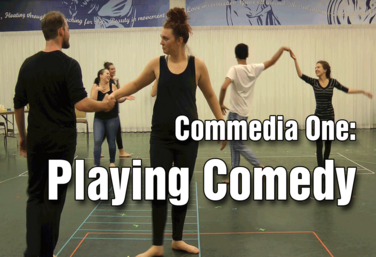
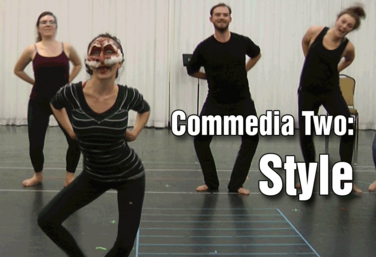
Commedia dell’arte is a 16th century masked acting form. It is the basis of all comedy, including all tv sitcoms. This form is characterized by masked types and archetypical characters and a specific way of playing comedy. To that end, this unit is divided into two parts.
Part One focuses on the foundations of commedia - playing comedy. These principles will be important to learn when it comes to developing commedia characters, specifically the physicality of the characters. Part Two will cover lazzi.
Note: there are links to video demos in many of the lessons of this unit.
UNIT
Improvisation in Musical Theatre
by Annie Dragoo
7 lessons
Understanding basic improvisation skills will help musical theatre performers understand that musical theatre is more than just singing and dancing. It’s about using all the tools (voice, body, and mind) an actor has at their disposal to create a character.
This unit focuses more on the improv aspect rather than the musical theatre aspects - in fact students need no prior musical theatre knowledge. Annie Dragoo, creator of the unit, uses this material as her first unit in her musical theatre class. It’s a great introduction and will get your students in the right frame of mind to approach musical theatre.
The lessons explore a variety of improv skills such as vocal responses, movement, character study, sensory awareness and culminate in an improv scene and unit essay.
Unit
3
of
8
in
Middle School
Curriculum
UNIT
Unit Three: Building Improvised Scenes
by Lindsay Johnson
12 lessons
Students will understand the basic building blocks of a scene: The Who (characters/ relationship), the Where (setting), and the What (conflict – objectives/tactics). They will learn how to use both verbal and nonverbal (pantomime) clues to communicate these scene details to an audience. They will continue to work on voice clarity, while also learning to open their body to an audience. The unit culminates in a performance assessment in which students work in pairs to improvise a scene.
UNIT
Introduction to Musical Theatre: Movement
by Annie Dragoo
9 lessons
Musical theatre performers use their bodies to sing, to dance, and to act. We must think of our bodies as instruments and learn to use our instruments properly in order to be better musical theatre performers.
The overall objective with this unit, by Annie Dragoo, is for students to demonstrate an understanding of the use of good movement as it connects to musical theatre. Some of the activities include using action verbs, moving as animals and inanimate characters, nonverbal communication and situational movement. Students will then perform a scene that will allow them to put to practice all the movement techniques they have learned.
Unit
2
of
11
in
Distance Learning
Curriculum
UNIT
Improvisation
by Lindsay Price and Karen Loftus
6 lessons
Students sharpen their listening and reaction skills through improv games, exercises, and scenes. They will learn five specific guidelines to apply to their improvisation: accept the offer, bring information to the scene, make active choices, make your partner look good, and don’t force the humor.
UNIT
Impowerment Improv
by Jennine Profeta
4 lessons
Taking risks, learning to see failure as a gift, finding courage when we don't feel it, and having the awareness that what we say has an impact are social and emotional skills students will take beyond the classroom. These are skills that can be built through improv exercises.
The exercises in this unit are designed to create a safe environment in which students can go beyond their old patterns to take risks, embrace failure, and be more confident and aware of the effects of their word choices. Improv gives you the opportunity to draw attention to these important concepts and to talk about them.
UNIT
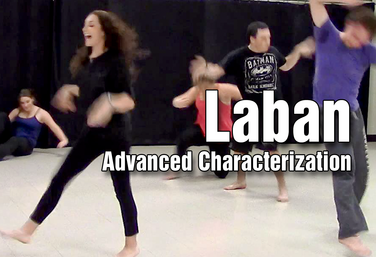
Laban: Advanced Characterization
by Drama Teacher Academy
7 lessons
This is an advanced acting unit in playing character through the Laban movement technique. Students will explore dance theorist Rudolf Laban’s eight efforts and their component parts; turn these elements into physicalizations through which one can express character; use Laban efforts and connect them to a character’s voice and body; and demonstrate knowledge through the creation of an original character.
Reminder: This is an advanced acting unit. You will need students who can do work on their own outside of class time, commit to movement and sound, and commit to making instinctual choices.

View all Standards for Alberta, Canada Standards Master List