Facebook Pixel Skip to main content

Colorado Academic Standards - Drama and Theatre Arts
High School - Professional Pathway

8 units • 10 professional development courses aligned to
DT.H3.1.1.a - Students Can: Synthesize knowledge from a variety of dramatic forms, theatrical conventions and technologies to create the visual composition of a drama/theatre work.

View all Standards for Colorado Academic Standards - Drama and Theatre Arts

DT.H3.1.1.a Students Can: Synthesize knowledge from a variety of dramatic forms, theatrical conventions and technologies to create the visual composition of a drama/theatre work.

This page lists 8 units and 10 professional development courses aligned to DT.H3.1.1.a from the Colorado Academic Standards - Drama and Theatre Arts. Designed for drama teachers, these resources directly address DT.H3.1.1.a - Students Can: Synthesize knowledge from a variety of dramatic forms, theatrical conventions and technologies to create the visual composition of a drama/theatre work.

Pantomime

by Angel Borths

Teacher Angel Borths developed this unit when she was looking for lessons to teach the basics of pantomime in the classroom. This unit culminates in a finished product for performance, either for peers, or for theatre festivals. The rubrics and written work for this unit take planning and preparation for performance into account. The exercises can be pulled out and used independently, but work best when used to build toward a finished product. You can also pull the ground plan and stage directions lesson plans to use with playwriting or directing lessons.

Puppetry

by Jenny Goodfellow

This unit on Puppetry is designed for middle school and up, to introduce students to the material and get them comfortable with performing in a safe and low exposure environment. This is a unit that builds to a culminating experience for your students. Each lesson is designed to explore techniques, provide opportunities for creative collaboration among your students, and give them opportunities to perform. Some of the lessons require materials to build or create puppets. Puppetry can be as easy as drawing a face on your finger for finger puppets, to actually purchasing your own finger puppets for students to use. While the focus of this unit is puppetry, your students will explore other skills as well. There’s the obvious ones of creative thinking, teamwork, and problem solving. They are also going to explore storytelling, performing skills, and playwriting.

Commedia dell'Arte

by Todd Espeland

Commedia dell’arte is a 16th century masked acting form. It is the basis of all comedy, including all tv sitcoms. This form is characterized by masked types and archetypical characters and a specific way of playing comedy. To that end, this unit is divided into two parts. Part One focuses on the foundations of commedia - playing comedy. These principles will be important to learn when it comes to developing commedia characters, specifically the physicality of the characters. Part Two will cover lazzi. Note: there are links to video demos in many of the lessons of this unit.

Creating a Musical: Project

by Annie Dragoo

Want a fun project that has your students collaborating and creating? In this unit by Annie Dragoo, students in groups will write and perform an original musical by adding modern songs to a traditional fairy tale story. The six lessons take students from writing their script, to choreography and planned movement, to rehearsing, performing and evaluation. The Rubric will focus on student performance. That means vocal delivery, emotional delivery, blocking/choreography, energy, focus, and characters.

Tech Theatre Unit: Costuming When You Don't Sew

by Drama Teacher Academy

In this unit, students will take on the role of the costumer, which is different from a costume designer. It introduces costuming concepts in order to execute a costume. No complicated sewing is required, which is great if you don’t have the background, the access, or the resources to have a class of students create costumes. Instead of making costumes from scratch, as a designer would, students will create costumes from stock, borrowed items, or low-cost finds. They will take finished products and adapt them into what they need to create the right atmosphere. In order to help with their adaptations, students will try different distressing techniques and learn three SIMPLE stitches that they’ll be able to use over and over again. It’s a valuable tech theatre skill to teach students how to execute on costumes when you (and they) don’t sew!

Scene Staging

by Lindsay Price

The goal for this unit is to give students a process to work primarily on their own to create a staged scene with specific, dynamic blocking and three-dimensional characters. This unit would work well as a culminating project for a semester. In this unit, students will work independently to analyze, block, build character, experiment, and rehearse a scene. Their performance can count as a summative assessment for the class. Material: This unit requires that students have access to scenes from plays. Ideally, students should work in pairs and prepare duet scenes.

Introduction to Mask

by Allison Williams

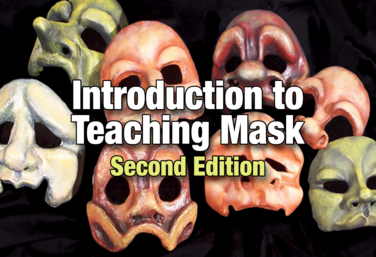
This unit focuses on having students gain an understanding of basic physical acting and learn some specific tools to use in mask work. Instructor Allison Williams has developed this unit, and explains "What I love most about mask work is how, by having students cover their faces, they are able to find freedom to express themselves physically. They often make bigger choices than we’re normally used to seeing them make in class." In this unit, students will work step by step from identifying shapes in the mask to using those shapes to creating a character zero to learning how to move in the mask utilizing the qualities of movement to applying everything they’ve learned in short scenes. The unit will culminate with students working in pairs to create original mask scenes. You will need masks to complete the unit. And while mask-making can be a lot of fun, it’s a lengthy and messy project. A list is provided in the Overview of where you may be able to buy or rent masks for use in your classroom.

Screenplays 101: Basic Structure Unit

by Nicholas Pappas

Screenplays 101 is divided into two separate units: Basic Structure and Basic Formatting. **It is highly recommended that you complete the Basic Structure unit before moving on to the Basic Formatting unit.** In this unit, we will focus on a basic history of screenplays, screenplay terminology, and the most common screenplay structure in film—the three-act structure. Theatre is important because it allows our young artists to be trained and learn about work ethic and discipline, and it creates community. But, we should also give our students opportunity and access to the cinematic arts. This is primarily a lecture-based unit with a lot of new information, with opportunities for students to apply knowledge including a final culminating project.

View all Standards for Colorado Academic Standards - Drama and Theatre Arts    Standards Master List