Facebook Pixel Skip to main content

Georgia Performance Standards OLD 2010 - Theatre Arts
Grade 9-12 - ADVANCED DRAMA I

9 units • 10 professional development courses aligned to
TAHSADI.1 - Analyzing and constructing meaning from theatrical experiences, dramatic literature, and electronic media
a. Examines various theories of dramatic structure from Aristotle to present
b. Uses standards of literary dramatic analysis to study theatrical production
c. Constructs arguments that relate the themes of a theatre production to the enhancement of the human experience

View all Standards for Georgia Performance Standards OLD 2010 - Theatre Arts

TAHSADI.1 Analyzing and constructing meaning from theatrical experiences, dramatic literature, and electronic media
a. Examines various theories of dramatic structure from Aristotle to present
b. Uses standards of literary dramatic analysis to study theatrical production
c. Constructs arguments that relate the themes of a theatre production to the enhancement of the human experience

This page lists 9 units and 10 professional development courses aligned to TAHSADI.1 from the Georgia Performance Standards OLD 2010 - Theatre Arts . Designed for drama teachers, these resources directly address TAHSADI.1 - Analyzing and constructing meaning from theatrical experiences, dramatic literature, and electronic media
a. Examines various theories of dramatic structure from Aristotle to present
b. Uses standards of literary dramatic analysis to study theatrical production
c. Constructs arguments that relate the themes of a theatre production to the enhancement of the human experience

Commedia dell'Arte

by Todd Espeland

14 lessons
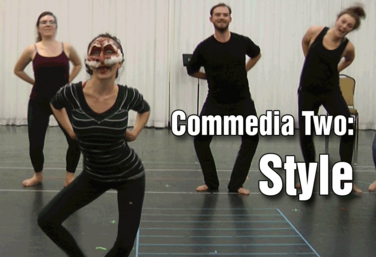
Commedia dell’arte is a 16th century masked acting form. It is the basis of all comedy, including all tv sitcoms. This form is characterized by masked types and archetypical characters and a specific way of playing comedy. To that end, this unit is divided into two parts. Part One focuses on the foundations of commedia - playing comedy. These principles will be important to learn when it comes to developing commedia characters, specifically the physicality of the characters. Part Two will cover lazzi. Note: there are links to video demos in many of the lessons of this unit.

Playwriting Unit: 10 to 15 Minute Play

by Lindsay Price

4 lessons
This playwriting unit offers lessons for students to complete a 10- to 15-minute play, instructed by professional playwright Lindsay Price. The unit includes class writing time as well as students writing on their own; in setting it up this way, the unit can be interspersed between other lessons. Students are challenged to apply themselves to write on their own - as all writers must do. Class time also focuses on giving and receiving feedback.

Playwriting Unit: Beginner

by Lindsay Price

11 lessons
This unit provides an introduction to the process of playwriting in a practical step-by-step framework. Playwriting can be a practical task-driven process that any student can accomplish, given the right parameters. This playwriting unit will give students the tools they need to write their first short play and gain the confidence they need to write further. The culminating project for this unit is a three- to five-page play or extended scene.

The Working Playwright *Hyperdoc

by Lindsay Price

1 lesson
In this unit, students will gain insight into the day to day responsibilities of a working artist. This unit aims to illuminate for students that creative expression is only one element in a sustainable arts career, and attempt to address the essential question: How does a playwright turn creative expression into a career? The culminating project for the unit is a playwright submissions packet for a theatre company. This unit is delivered in hyperdoc format. What does that mean? A hyperdoc is an interactive tool that encourages digital learning. In this case, students are given a document on a subject, and there they can read articles, watch videos, do some independent research, and apply what they’ve learned. Because they’re working on their own, students are in charge of their own pacing. Before you start the unit, ensure you read the Teacher Guide first. It will give you clear instructions on how to distribute the hyperdoc format and make it easy for you and your students.
Unit 5 of 11 in Distance Learning Curriculum

Playwriting: Part 1

by Lindsay Price

7 lessons
Every drama program should have a playwriting unit. Playwriting applies creative thinking skills and, through feedback and revision, critical thinking skills. Playwriting also allows students to engage in self-expression. It is a powerful act to take one’s thoughts, give them to a character, and have them said aloud. Playwriting can be a practical task-driven process that any student can accomplish, given the right parameters. This playwriting unit is broken into two parts. This unit is Part 1. Part 1 is a standalone playwriting unit for beginning writers. Students go step by step through the elements of the playwriting process, which culminates in a short scene, monologue, and character profile. All the exercises can be done synchronously in your class sessions or small groups through breakout rooms.
Unit 6 of 11 in Distance Learning Curriculum

Playwriting: Part 2

by Lindsay Price

11 lessons
Every drama program should have a playwriting unit. Playwriting applies creative thinking skills and, through feedback and revision, critical thinking skills. Playwriting also allows students to engage in self-expression. It is a powerful act to take one’s thoughts, give them to a character, and have them said aloud. Playwriting can be a practical task-driven process that any student can accomplish, given the right parameters. This playwriting unit is broken into two parts - this unit is Part 2. You can continue the playwriting process from Part 1 by having students apply what they’ve learned through writing a five- to 10-page play. Or, if your students are familiar with the playwriting elements, perhaps they just do Part 2 of this unit. Students will write a first draft, revise, give and receive feedback, and read their work aloud. The unit assumes that either students have completed Part 1 or they already have a grounding in the playwriting form.

Playwriting Kickstart: Multi platform

by Lindsay Price

4 lessons
This unit focuses on the idea stage of playwriting. Before you start a playwriting project, take students through these lessons to provide students a step-by-step process for idea generation. When students are told they’re going to write a play, they often freeze. I can’t do it. I’m not creative; my ideas are stupid. The purpose of this unit is to give students a place to start and a way to move from finding a topic to creating an idea to writing theatrically on ideas. This unit is designed to reach as many classroom environments as possible and includes: standard in-class lessons, instruction videos, instruction handouts, and quizzes.

Self-Management Playwriting

by Lindsay Price

6 lessons
In this unit, students will decide on a topic they care about and write a short play within a designated time frame. They will mostly write on their own, using class to discuss and share how they are managing their time, monitoring their progress, and adapting their writing plan of action. The goal of this unit is not the final product but rather the self-management skills they apply throughout. In this unit, students will demonstrate their self-management skills by setting a goal, identifying a strategy to achieve the goal, creating a plan of action, monitoring their process, reflecting on what is working and what’s not working, taking personality responsibility throughout as they write on their own, and demonstrating an ownership mindset through self-assessment.

Scene Staging

by Lindsay Price
15 lessons
The goal for this unit is to give students a process to work primarily on their own to create a staged scene with specific, dynamic blocking and three-dimensional characters. This unit would work well as a culminating project for a semester. In this unit, students will work independently to analyze, block, build character, experiment, and rehearse a scene. Their performance can count as a summative assessment for the class. Material: This unit requires that students have access to scenes from plays. Ideally, students should work in pairs and prepare duet scenes.

View all Standards for Georgia Performance Standards OLD 2010 - Theatre Arts    Standards Master List