
Georgia Performance Standards - Theatre Arts
Grades 9-12 - THEATRE HISTORY AND LITERATURE I AND II - Performing
74 units • 27 professional development courses aligned to
TAHSTL.PR.1 - Analyze characters in theatre literature from the perspective of an actor/performer.
a. Use performance (e.g. oration, improvisation, rehearsed monologues, scenes) to analyze a character’s role and significance to the meaning of the play.
View all Standards for Georgia Performance Standards - Theatre Arts
TAHSTL.PR.1 Analyze characters in theatre literature from the perspective of an actor/performer.
a. Use performance (e.g. oration, improvisation, rehearsed monologues, scenes) to analyze a character’s role and significance to the meaning of the play.
This page lists 74 units and 27 professional development courses aligned to TAHSTL.PR.1 from the Georgia Performance Standards - Theatre Arts . Designed for drama teachers, these resources directly address TAHSTL.PR.1 - Analyze characters in theatre literature from the perspective of an actor/performer.
a. Use performance (e.g. oration, improvisation, rehearsed monologues, scenes) to analyze a character’s role and significance to the meaning of the play.
Devising
by Corinna Rezzelle
Improv
by Anna Porter
Pantomime
by Karen Loftus
Ancient Greek Theatre
by Karen Loftus
Improvisation
by Karen Loftus
Commedia Dell'Arte
by Karen Loftus
Script Analysis: The Actor's Perspective
by Karen Loftus
Elizabethan Theatre
by Karen Loftus
Playwriting
by Karen Loftus
Japanese Theatre
by Karen Loftus
Drama One Final Project
by Karen Loftus
Musical Theatre
by Anna Porter
Mock Audition
by Lindsay Price
Monologue Writing Made Easy
by Matthew Banaszynski
Theatre of the Absurd
by Lea Marshall
Agatha Rex and Ancient Greek Theatre
by Angel Borths
Shakespeare Performance
by Anna Porter
Unlocking Shakespeare's Text
by Anna Porter
Pantomime
by Anna Porter
Character Analysis - Part 1
by Matt Webster
Monologues - Part 2
by Matt Webster
Performing Shakespeare
by Matt Webster
Tools of Scene Work
by Anna Porter
Commedia dell'Arte
by Todd Espeland
Comedy of Manners
by Lindsay Price
Production Classroom Units Overview
by Karen Loftus
Part One - Pre-Production
by Karen Loftus
Part Two - Rehearsal and Performance
by Karen Loftus
Part Two - Documents
by Karen Loftus
Part Three - Reflection and Assessment
by Karen Loftus
Improvisation in Musical Theatre
by Annie Dragoo
The Actor in Transition: From Presentational to Three-Dimensional
by John Minigan
Unit Six: Directed Scenes Take 1: Same Scene, Different Visions
by Lindsay Johnson
Unit Seven: Directed Scenes Take 2: A Variety of Scenes
by Lindsay Johnson
Introduction to Musical Theatre: Movement
by Annie Dragoo
Improvisation
by Lindsay Price and Karen Loftus
Pantomime
by Lindsay Price and Karen Loftus
Theatre of the Absurd
by Lea Marshall
Mock Audition
by Lindsay Price
Scene Work: Part 1, Tools of Scene Work
by Lindsay Price
Scene Work: Part 2, Student Self Staging
by Lindsay Price
Character Creation: Superhero Series: Multi platform
by Lindsay Price and Kerry Hishon
Indigenous Storytelling Unit
by Allison Green
Anti-Realism
by Wendy-Marie Martin
Impowerment Improv
by Jennine Profeta
Decolonizing Monologues
by Nicholas Pappas
Perspective Taking
by Lindsay Price
Foundations of Acting
by Annie Dragoo
Unit 1: Before and Beyond Ancient Greek Theatre
by Drama Teacher Academy
Unit 2: Greek & Roman Origins
by Drama Teacher Academy
Unit 3: Medieval Theatre
by Drama Teacher Academy
Unit 4: Commedia Dell'Arte
by Drama Teacher Academy
Unit 5: Asian Theatre
by Drama Teacher Academy
Unit 6: Theatre of the Renaissance
by Drama Teacher Academy
Unit 7: The Elizabethan Golden Age
by Drama Teacher Academy
Unit 8: Restoration Comedy & 18th Century Theatre
by Drama Teacher Academy
Unit 9: Romanticism
by Drama Teacher Academy
Culminating Project
by Drama Teacher Academy
Character Development with an Indigenous Perspective
by Allison Green
Indigenous Symbolism in the Drama Classroom
by Allison Green
The Dilemma Project
by Claire Broome
Introduction to Stanislavski
by Drama Teacher Academy
Virtual Introduction to Stanislavski
by Drama Teacher Academy
The Autobiographical Monologue
by Gai Jones
Realism and Naturalism
by Drama Teacher Academy
30 Second Monologues
by Lindsay Price
Absurdism: Beyond the Origins
by Drama Teacher Academy
Spoken Word Poetry
by Quincy Young
Screenplays 101: Basic Structure Unit
by Nicholas Pappas
Play Adaptation Project
by Lindsay Price
A Midsummer Night's Dream
by Drama Teacher Academy
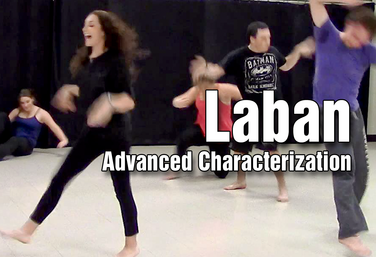
Laban: Advanced Characterization
by Drama Teacher Academy
Musical Theatre Audition Technique
by Drama Teacher Academy
Culminating Project: Creating a Musical
by Drama Teacher Academy
.png)






View all Standards for Georgia Performance Standards - Theatre Arts Standards Master List