
Texas Essential Knowledge and Skills for Theatre Arts
HS 117.317 LIII - Historical and cultural relevance
27 units • 6 professional development courses aligned to
C.4.A - evaluate historical and cultural influences on theatre.
View all Standards for Texas Essential Knowledge and Skills for Theatre Arts
C.4.A evaluate historical and cultural influences on theatre.
This page lists 27 units and 6 professional development courses aligned to C.4.A from the Texas Essential Knowledge and Skills for Theatre Arts. Designed for drama teachers, these resources directly address C.4.A - evaluate historical and cultural influences on theatre.
PD COURSE
21st Century Skills Through Devising
by Allison Williams
12 modules
1 hours, 18 minutes
4 Credit Hours
Allison Williams leads the course: 21st Century Skills Through Devising. This course covers what devising is, why to do it, how to do it, and how your students can master the 21st Century Skills of collaborations and cooperation, critical thinking, creative thinking through devising.
High school is a great place to try devising with your students. But it’s not something you want to throw at your students without any preparation. Framework is important and this course takes you through a number of exercises you can take into the classroom tomorrow to help build a place of physical safety, a place where students work at making a lot of choices instead of waiting for the perfect choice, and a place where students feel comfortable making creative choices. The material also reviews the process of putting together a show from the idea/research stage to editing, to giving feedback.
Your students have what it takes to create their own material, collaborate with each other, and have a unique theatrical experience!

PD COURSE
Director's Toolbox 1: Teaching Students to Direct
by James Van Leishout
8 modules
2 hours, 12 minutes
3 Credit Hours
In this course, James Van Leishout explores why students should direct, and covers the first two tools in the director’s toolbox: self and the script. What background should every director have? Why should they learn to love research? What should happen in the first four reads of a script?
With every step along the way, there will be exercises and activities your student directors can take on before they step into the rehearsal process.
PD COURSE
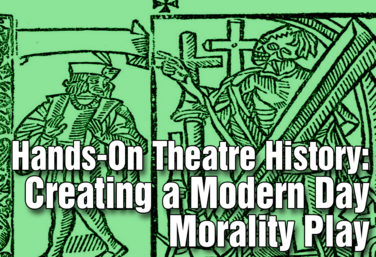
Hands-On Theatre History: Creating a Modern Day Morality Play
by Wendy-Marie Martin
11 modules
1 hours, 25 minutes
3 Credit Hours
Who says theatre history has to be boring? Hands-On Theatre History: Creating a Modern Day Morality play is an interactive course by Wendy-Marie Martin, combining hands-on activities with research and analysis techniques leading to a full performance of the popular medieval morality play, Everyman.
This course gives students an overview of the medieval period and the various medieval play forms and teaches students the key points of storytelling and adaptation.
It includes dynamic individual and group exercises leading students from the first steps of the adaptation process through a final, full-class performance of Everyman—and proves, once and for all, that theatre history can be fun and exciting to learn.
PD COURSE
Hands-On Theatre History: Anti-Realism
by Wendy-Marie Martin
11 modules
1 hours, 41 minutes
3 Credit Hours
This course is a mix of individual and group activities requiring students to use both their analytical and creative mind. It gives students an overview on the Anti-Realism movement of the late-19th and early-20th century, and introduces them to some key theorists, playwrights, and theater makers involved in this movement.
Together we will guide students through the wild world of the “isms,” more specifically Symbolism, Dadaism, Surrealism, Expressionism and Absurdism. We will introduce students to various manifestos and theories as we track the characteristics of each of our five “isms.” As we combine analysis and creative exercises, students bring their entire self to process and prepare to design an ISM Theme Park project, which they will share with the class at the end of the course.
PD COURSE
Close Reading in the Drama Classroom
by Lindsay Price
11 modules
3 hours, 38 minutes
7 Credit Hours
Close reading is an activity that puts curriculum standards into practice and it can be easily applied to the drama classroom.
Close reading asks a lot of your students. They have to read and think at the same time.
This course teaches drama teachers how the close reading process works, and gives them exercises and tools to apply it in the classroom.
PD COURSE
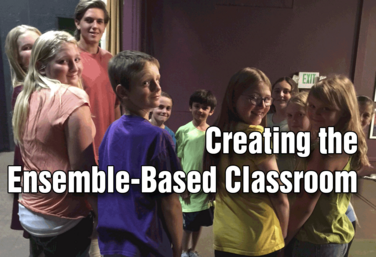
Creating the Ensemble-Based Classroom
by Gai Jones
5 modules
2 hours, 12 minutes
4 Credit Hours
Gai Jones will help you establish an ensemble-based environment from the first day of class or rehearsal.
Learn how to set up your ensemble-based classroom from day one, get students to set classroom norms, and find the balance between creative activity and structure. You’ll learn how to give your students creative freedom through structure and classroom management. The cornerstone of this course are the detailed ensemble experiences from large group to small group and even individual experiences.
This course culminates in a devising model that you can use with your students, and takes you through process, product, performance and an evaluation.
You too can create the ensemble-based classroom.
View all Standards for Texas Essential Knowledge and Skills for Theatre Arts Standards Master List
