Facebook Pixel Skip to main content

Georgia Performance Standards - Theatre Arts
Grades 9-12 - TECHNICAL THEATRE LEVELS I-IV - Connecting

22 units • 9 professional development courses aligned to
TAHSTT.CN.1 - Connect technical elements of theatre.
a. Explore and understand the collaborations between designers and directors to develop design elements.
b. Investigate the history of theatre architecture, stage technology, and other technical elements.
c. Understand technical theatre career options and various industry unions (e.g. International Alliance of Theatrical Stage Employees, Actor’s Equity, United Scenic Artists, Stage Directors and Choreographers Society, League of Resident Theatres).
d. Explore connections with other disciplines associated with technical theatre (e.g. scientific principles behind technical theatrical practices, physics of electricity and sound, basic structural engineering, load ratings, working load limits).
e. Connect design themes with historical and social relevance using dramaturgical research and an understanding of historical and cultural artistic movements (e.g. expressionism, realism, Kabuki, Sanskrit Drama).

View all Standards for Georgia Performance Standards - Theatre Arts

TAHSTT.CN.1 Connect technical elements of theatre.
a. Explore and understand the collaborations between designers and directors to develop design elements.
b. Investigate the history of theatre architecture, stage technology, and other technical elements.
c. Understand technical theatre career options and various industry unions (e.g. International Alliance of Theatrical Stage Employees, Actor’s Equity, United Scenic Artists, Stage Directors and Choreographers Society, League of Resident Theatres).
d. Explore connections with other disciplines associated with technical theatre (e.g. scientific principles behind technical theatrical practices, physics of electricity and sound, basic structural engineering, load ratings, working load limits).
e. Connect design themes with historical and social relevance using dramaturgical research and an understanding of historical and cultural artistic movements (e.g. expressionism, realism, Kabuki, Sanskrit Drama).

This page lists 22 units and 9 professional development courses aligned to TAHSTT.CN.1 from the Georgia Performance Standards - Theatre Arts . Designed for drama teachers, these resources directly address TAHSTT.CN.1 - Connect technical elements of theatre.
a. Explore and understand the collaborations between designers and directors to develop design elements.
b. Investigate the history of theatre architecture, stage technology, and other technical elements.
c. Understand technical theatre career options and various industry unions (e.g. International Alliance of Theatrical Stage Employees, Actor’s Equity, United Scenic Artists, Stage Directors and Choreographers Society, League of Resident Theatres).
d. Explore connections with other disciplines associated with technical theatre (e.g. scientific principles behind technical theatrical practices, physics of electricity and sound, basic structural engineering, load ratings, working load limits).
e. Connect design themes with historical and social relevance using dramaturgical research and an understanding of historical and cultural artistic movements (e.g. expressionism, realism, Kabuki, Sanskrit Drama).

Lighting

by Josh Hatt

This is an introductory mini-unit to lighting that can be achieved whether or not you have a lighting system. Students will work toward being able to demonstrate their knowledge of lighting effectiveness. The questions of the unit include: How can light affect a scene? How can lighting affect the audience? What is the mood of the scene? How does lighting play a part in creating mood? How can you use shadows onstage? How does color impact the scene?

Sound

by Josh Hatt

This is an introductory mini-unit to sound that you can use whether or not you have a sound system. Students will work toward being able to demonstrate their knowledge of sound effectiveness. The questions of the unit include: What is effective sound? What sounds and music do we need in order to make our scene effective? How will we know our sound cues are effective?

Costuming

by Josh Hatt

If the costumes in a play are going to be effective, we need to be thoughtful about how we use them. In this mini-unit, students will demonstrate their understanding costume effectiveness and address the following questions: What is the role of costume in the performance? How does color contribute? How does the style of costume affect a performance? How does costume indicate setting? Do you need costumes in a scene?

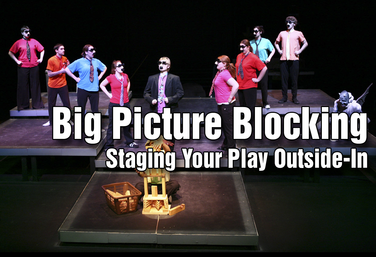
Staging

by Josh Hatt

This is a mini-unit on staging. Along with the driving question for the unit, students will explore about how staging affects the performance. Students will draw a plot design (ground plan) to emphasize the need to plan where scenic elements will be placed. They will also practice taking cues from the script, in order to create staging.

Free Play Makeup

by Josh Hatt

This is a student centred mini-unit on makeup design. Makeup is useful in transporting an audience to a different world. The purpose is for students to understand that makeup is a tool that theatre technicians can use in order to contribute to effective performance aesthetics; to understand basic makeup rules and care instruction; to understand how to complete a makeup design plot; to look at a project and figure out for themselves what they need to succeed.

Culminating Project

by Josh Hatt

Once students have completed the five Tech Theatre Units (Lighting, Sound, Costume, Staging, Free Play Makeup), you can give them this culminating project. Depending on how you structured your technical theatre unit, you can adapt this project to suit your needs and context. Up to this point, all the work in the units have been exploratory. This is where students will apply their skills and knowledge.

Introduction to Set Design *Hyperdoc

by Lea Marshall

The purpose of this unit is to give students an introduction to independent learning as well as an overview of Set Design. Students will apply their knowledge throughout, and the unit culminates in a group activity. This unit is delivered in hyperdoc format. What does that mean? A hyperdoc is an interactive tool that encourages digital learning. In this case, students are given a document on a subject, and there they can read articles, watch videos, do some independent research, and apply what they’ve learned. Because they’re working on their own, students are in charge of their own pacing. Before you start the unit, ensure you read the Teacher Guide first. It will give you clear instructions on how to distribute the hyperdoc format and make it easy for you and your students.

Elements of Costume Design *Hyperdoc

by Anna Porter

In this unit, students will explore and collaboratively take on the role of costume designers. Students will explore the elements of design, director’s concept, and the considerations for costume design. They will then apply this knowledge in a culminating project. This unit has been designed to integrate technology into the curriculum. Students will utilize technology throughout via HyperDocs, internet research, and Google tools such as Google Drive, Google Forms, Google Slides, and Google Docs. A digital Learning Tools Introduction resource is provided for additional help in using the different tools and applications.

Lighting

by Karen Loftus, Josh Hatt, and Kerry Hishon

Students will be able to demonstrate their knowledge of lighting effectiveness. They’ll also be able to identify, analyze, and evaluate how lighting is used in a theatre production.

Sound

by Karen Loftus and Josh Hatt

Students will be able to demonstrate their knowledge of sound effectiveness. How do we use sound to create a technically effective performance?

Costume Design

by Holly Beardsley, Karen Loftus, and Josh Hatt

Students are exposed to research, concepts, and skill sets while they explore costume design and the different roles of the costume designer and the costumer. They will be able to demonstrate their knowledge of costume effectiveness.

Costume Construction

by Karen Loftus

Students identify vocabulary, techniques, and roles of costume construction. They demonstrate costume measurement and other construction techniques, including a basic stitch.

Culminating Project

by Karen Loftus

Now it’s time for your students to take everything they’ve learned and creatively apply those skills. The goal is for students to take what they’ve been exposed to, explored, and researched about each of the arts and crafts of technical theatre and apply it to a project.

Make-Up Design

by Karen Loftus and Josh Hatt

Students will be able to explore the use of make-up as a theatrical tool and demonstrate their knowledge of make-up effectiveness.

Introduction to Technical Theatre: Distance Learning

by Lindsay Price

When an audience watches a piece of theatre, they never see what goes on behind the scenes or know the people who work to make the production look their best. But theatre is a collaboration between what happens onstage and off. This distance learning unit will introduce students to the world of technical theatre. Through video, they will learn information on specific technical theatre roles and how they work together, types of stages, parts of a theatre and stage geography, and then apply this knowledge through synchronous exercises. For example, students will take on the role of a producer and decide how a budget will be divided among different departments. They will practice the calls a stage manager uses. The culminating assignment has students solve a common technical theatre issue: a unique stage direction in a play. NOTE - Please read the Troubleshooting Hyperdocs instructions in the Overview, if you are having issues. If your students have trouble accessing the videos, try VERSION 2 Hyperdoc links provided under each module.

Introduction to Technical Theatre: Flipped Learning

by Lindsay Price

When an audience watches a piece of theatre, they never see what goes on behind the scenes or know the people who work to make the production look its best. But theatre is a collaboration between what happens onstage and off. This flipped learning unit will introduce students to the world of technical theatre. Through video, they will learn information on specific technical theatre roles and how they work together, types of stages, parts of a theatre and stage geography, and then apply this knowledge through in-class active-learning exercises. For example, students will take on the role of a producer and decide how a budget will be divided among different departments. They will practice the calls a stage manager uses. The culminating assignment has students solve a common technical theatre issue: to design, create, and implement a solution for a unique stage direction in a play.

Designing with Light: No Tech Required

by Kerry Hishon

The exercises within this unit are meant for students to explore the concept of lighting for theatre without the need for extensive tech or even a theatrical lighting grid. This unit is useful for students with no prior experience with lighting or students who may be intimidated by the idea of theatre technology. Each exercise is meant to build upon the previous one, as students grow in their confidence with thinking about lighting in different ways.

Anti-Realism

by Wendy-Marie Martin

This unit gives students an overview of the anti-realism movement of the late 19th century and early 20th century and introduces them to some key theorists, playwrights, and theatre makers involved in this movement. Students will be introduced to the “isms” of symbolism, Dadaism, surrealism, expressionism, and absurdism along with various manifestos and theories as we track the characteristics of each “ism.” In a culminating project, students will design an “ISMS’’ Theme Park, which they will share with the class at the end of the unit. Their project will feature each of the five “isms” in the form of rides, themed concessions areas, entertainment options, and in-park characters.

Costuming

by Holly Beardsley

A costume designer and a costumer are two different things. A costume designer creates pieces from the drawing board to the stage, while a costumer pulls from already existing pieces to create fully realized characters. This means that the approach is different. In this six lesson unit students will learn the tools of a successful costumer. They will start by reflecting on their own personal style and the choices that go into that style. They’ll move on to look at versatility and adapting costume staples, creating a costuming vision, period clothing as the costumer, how to use the colour wheel as a costuming tool and everything culminates in a final project (two options).

Design

by Matt Webster

In this unit, students will explore and experiment with the basic building blocks of design: Line, Shape, and Color. Once students have a solid foundation of those concepts, they will move on to stage properties and scenic flats as additional building blocks of design. They will then apply their knowledge and skills to a series of assignments, so they can demonstrate their design knowledge and creativity.

Tech Theatre Unit: Costuming When You Don't Sew

by Drama Teacher Academy
In this unit, students will take on the role of the costumer, which is different from a costume designer. It introduces costuming concepts in order to execute a costume. No complicated sewing is required, which is great if you don’t have the background, the access, or the resources to have a class of students create costumes. Instead of making costumes from scratch, as a designer would, students will create costumes from stock, borrowed items, or low-cost finds. They will take finished products and adapt them into what they need to create the right atmosphere. In order to help with their adaptations, students will try different distressing techniques and learn three SIMPLE stitches that they’ll be able to use over and over again. It’s a valuable tech theatre skill to teach students how to execute on costumes when you (and they) don’t sew!

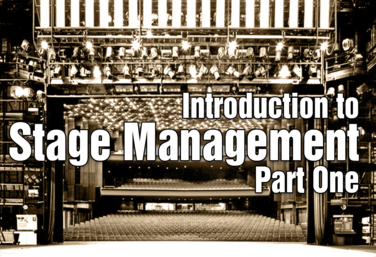
Technical Theatre: Leadership in Theatre

by Michelle LoRicco

This Technical Theatre unit is designed to empower student leaders to analyze management roles in producing theatre while also using collaborative activities and reflection exercises to strengthen soft skills that every student should have. The unit covers the roles of producer, director, technical director, and stage manager, and ends in a culminating project.

View all Standards for Georgia Performance Standards - Theatre Arts    Standards Master List