
Alberta, Canada
Technical Theatre - Application
13 units • 7 professional development courses aligned to
12 - demonstrate understanding of and apply appropriate regulations, procedures and precautions to ensure safe working conditions
View all Standards for Alberta, Canada
12 demonstrate understanding of and apply appropriate regulations, procedures and precautions to ensure safe working conditions
This page lists 13 units and 7 professional development courses aligned to 12 from the Alberta, Canada. Designed for drama teachers, these resources directly address 12 - demonstrate understanding of and apply appropriate regulations, procedures and precautions to ensure safe working conditions
PD COURSE
Theatre Etiquette 101
by Kerry Hishon
11 modules
1 hours, 40 minutes
3 Credit Hours
Instructor Kerry Hishon is an actor, director, writer, and stage combatant with years of experience in youth theatre. Her course, Theatre Etiquette 101, is designed to help students be successful in their theatrical journeys.
When teaching students who are brand new to theatre, it’s important to discuss and apply the expectations of the drama classroom and the theatrical world.
This course starts by explaining "what is theatre etiquette", and then moves through every step in the production process from audition to post-show recovery.
Every module has tips for both you and your students, classroom exercises, rehearsal exercises, and reflections. There are also printable posters included to use in your classroom or backstage.
PD COURSE
Basic Lighting for Drama Teachers
by Claire Broome
6 modules
36 minutes
1 Credit Hour
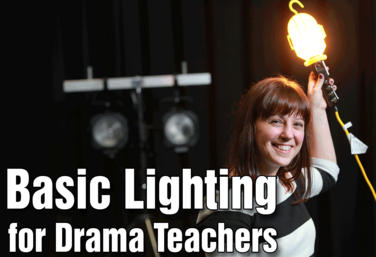
Join drama teacher Claire Broome and explore the basics of lighting, including lighting systems and instruments, lighting plots, how to record a lighting cue, and alternative sources of lighting. You’ll learn some practical, hands-on ways of using lighting in your classroom or theatre, whether you have a lighting system or not.
This course is packed with hands-on examples, activities for your students, and videos to develop your students’ understanding. Find out why lighting is such an important character in a production.
PD COURSE
Old Age Makeup Tutorial
by Matt Webster
8 modules
1 hours, 10 minutes
2 Credit Hours
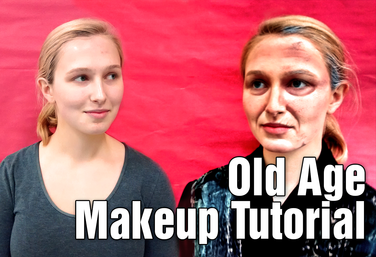
Instructor Matt Webster guides this tutorial on Old Age Makeup. Old age is the number one special effect makeup you will do and it’s a great process to teach in your class.
This video series takes you visually step by step through everything you need to know about creating old age makeup, from the subtle to the extreme. You can view each step individually so they can be practiced one at a time in the classroom.
The first part is the temple and the forehead. The second part are the cheeks and the jaw. Third will be lips, chin, and nose. Fourth is a section on the face called the nasolabial fold. Fifth, the eyes. And the sixth section will be looking at wrinkles, stippling and finishing the makeup look. These sections are designed to be seen one at a time and to teach within a 90-minute class between instruction, setup, practice, and cleanup. When you put them all together, you will have the parts and pieces to make a full old age makeup.
PD COURSE
Introduction to Stage Makeup
by Matt Webster
9 modules
54 minutes
2 Credit Hours
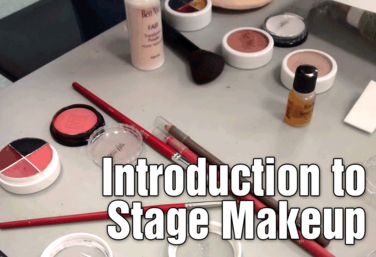
This introductory course in Stage Makeup is brought to you by Matt Webster, and covers all the basics. You’ll learn the tools you can use to build a makeup kit, how to match skin tone, what are the shapes of the face and how those shapes affect everything you do with makeup.
You’ll learn about highlight and shadow, blending, basic corrective makeup, safety and hygiene, and lastly, tips for teaching makeup. And throughout, sample exercises are included so you have the information you need to bring stage makeup into the drama classroom.
PD COURSE
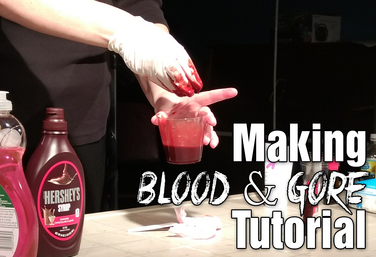
Making Blood and Gore Tutorial
by Linda Veneris
7 modules
33 minutes
2 Credit Hours
This tutorial, led by Linda Veneris, shows teachers and students how to make blood and gore with easy to find, everyday ingredients.
Included are recipes, video demonstrations, and top 10 tips for working with students on blood and gore. This tutorial can be part of a stage makeup unit in your classroom as well as for productions.
PD COURSE
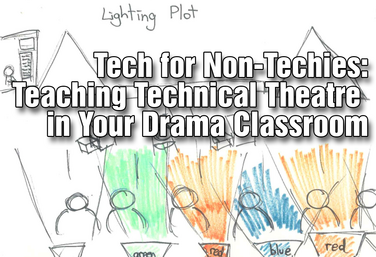
Tech for Non-Techies: Teaching Technical Theatre in Your Drama Classroom
by Josh Hatt
10 modules
3 hours, 23 minutes
7 Credit Hours
In this course, instructor Joshua Hatt shows you how to unpack your drama standards, articulate what you want your students to know and be able to do. The material explores how to incorporate lights, sound, makeup, staging, and costuming into your drama class at any grade level regardless of your school resources or unit structure. Bells and whistles? Awesome! Barely a classroom? We’ve still got you covered.
This 9 lesson series works from the basics and standards, though lighting, sound, costuming, staging, and makeup design, and culminates with a final project including rubrics, resources, and handouts.
A wise theatre technician once said: “the theatre mirrors life but technical theatre teachers us how to live.” Try to keep that statement in mind as you work through this course and see if we can make you a believer in all things technical theatre.
PD COURSE
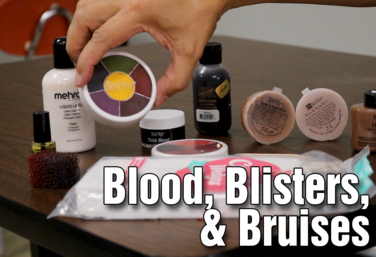
Blood, Blisters & Bruises
by Matt Webster
6 modules
1 hours, 8 minutes
3 Credit Hours
Welcome to Blood, Blisters, and Bruises. This is an introductory course to learn how to use makeup to create scars, blisters, and bruises with a little blood on the side, and a special bonus section on creating zombies. You’re going to learn the techniques and materials you will need to do these special effects, and how to teach your students to do these special effects.
View all Standards for Alberta, Canada Standards Master List