
Alberta, Canada
Movement Level I - Beginning
13 units • 8 professional development courses aligned to
7 - demonstrate awareness of his or her own body and its movement potential
View all Standards for Alberta, Canada
7 demonstrate awareness of his or her own body and its movement potential
This page lists 13 units and 8 professional development courses aligned to 7 from the Alberta, Canada. Designed for drama teachers, these resources directly address 7 - demonstrate awareness of his or her own body and its movement potential
PD COURSE
Strong Ensemble = Strong Play
by Craig Mason
5 modules
1 hours, 8 minutes
2 Credit Hours
This mini-course will give you a toolkit to bring your shows to the next level by having an engaged, active, ensemble.
The ensemble is a critical part of a large cast show. But you can't leave them to fend for themselves. They need structure. They need exercises and activities.
In Strong Ensemble = Strong Play, you'll be given ensemble-building exercises. You'll also discover specific activities that will help your ensemble become three-dimensional characters who have something to do and something to play in every moment they are on stage.
We'll look at case studies that take the exercises learned in the course and apply them to specific shows.
PD COURSE
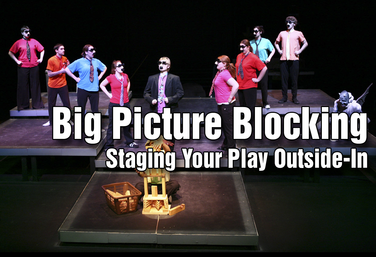
Big Picture Blocking: Staging Your Play Outside-In
by Todd Espeland
10 modules
2 hours, 3 minutes
6 Credit Hours
Working in educational theatre I know how easy it is to get bogged down in actor coaching and away from the bigger picture storytelling when directing a show. I saw a need for a method of text analysis and physical staging tools that help the director stay focused on the bigger picture of telling the story of the play.
This class is in two parts: The first consists of the text analysis tools P.A.S.T.O and Major Dramatic Question. From these tools you will brainstorm keywords to define your vision of the story.
In the second part of the class you will focus on taking the information generated in the text analysis and crafting the ideas into vibrant physical pictures through an exercise called Starburst.
PD COURSE
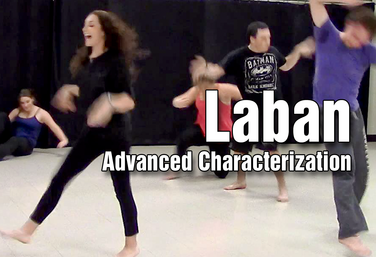
Laban: Advanced Characterization
by Todd Espeland
9 modules
2 hours, 5 minutes
8 Credit Hours
Learn about the Laban system to teach your students to physically and vocally discover character. This is an advanced course, which means that the course goes deep into exploring character and exploring character work through the work of Rudolph Laban.
PD COURSE
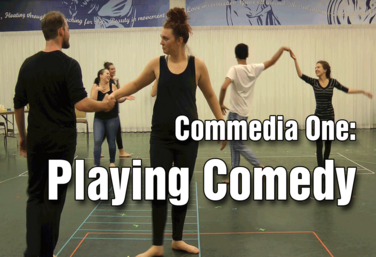
Commedia I: Playing Comedy
by Todd Espeland
8 modules
2 hours, 31 minutes
7 Credit Hours
Commedia dell’arte is a 16th Century masked acting form. It’s the basis of all comedy and it’s a form that many teachers want to include in their curriculum.
Instructor Todd Espeland has designed two courses that work hand-in-hand with teaching this fantastic physical form.
In Commedia I: Playing Comedy - Todd teaches the principles of comedy through four key elements: status, appetite, swing, and intention/invention. This course provides an excellent foundation upon which to explore Commedia to its fullest. Includes bonus videos, handouts, reflections, and exit slip question ideas for each lesson.
PD COURSE
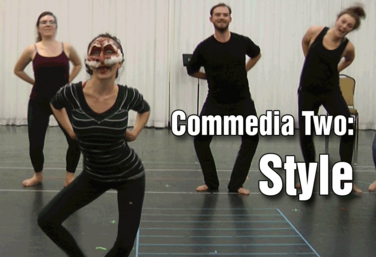
Commedia II: Style
by Todd Espeland
11 modules
2 hours, 31 minutes
7 Credit Hours
Commedia dell’arte is a 16th Century masked acting form. It’s the basis of all comedy and it’s a form that many teachers want to include in their curriculum.
Instructor Todd Espeland has designed two courses that work hand-in-hand with teaching this fantastic physical form.
In Commedia II: Style - Todd moves on to the specific style of Commedia dell’arte. This includes a history of commedia, the stock characters and how to physicalize them, sample lazzi and a capstone assignment. The course includes video demonstrations so you can see the exercises and activities in action.
PD COURSE
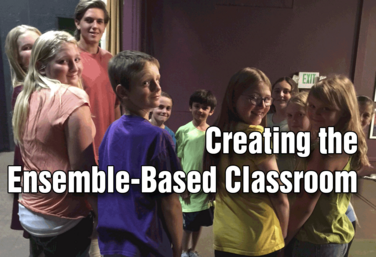
Creating the Ensemble-Based Classroom
by Gai Jones
5 modules
2 hours, 12 minutes
4 Credit Hours
Gai Jones will help you establish an ensemble-based environment from the first day of class or rehearsal.
Learn how to set up your ensemble-based classroom from day one, get students to set classroom norms, and find the balance between creative activity and structure. You’ll learn how to give your students creative freedom through structure and classroom management. The cornerstone of this course are the detailed ensemble experiences from large group to small group and even individual experiences.
This course culminates in a devising model that you can use with your students, and takes you through process, product, performance and an evaluation.
You too can create the ensemble-based classroom.
PD COURSE
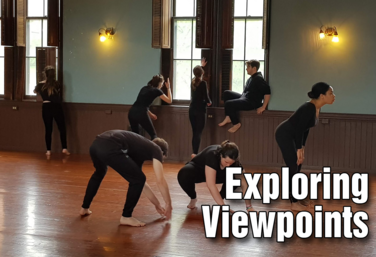
Exploring Viewpoints
by Erin Carr
11 modules
3 hours, 28 minutes
5 Credit Hours
Viewpoints is used to create dynamic moments of theatre by simply existing on the stage. However, Viewpoints is more than just an acting technique to understand your own physicality and more than a directing technique to create “ah-ha!” moments on stage. It is first and foremost the philosophy that to create an organic performance, you must see obstacle as opportunity, and that by simply standing in space, your creativity can spark.
This course by Erin Carr will help your students discover fresh impulses that motivate their performance in the moment. We will go through the Viewpoints technique, as created by Mary Overlie, and learn how to tap into kinesthetic awareness as individuals and as an ensemble. Through this style of play, students learn to release their thoughts on what they “should” do, and instead just respond organically to their surroundings and ensemble!
We’re going to break down each of the Viewpoints, there’s lots of visual demonstration, so you can see each Viewpoint in action, and I’m going to provide tips and side coaching examples.
PD COURSE
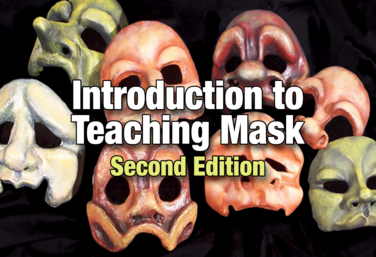
Introduction to Teaching Mask: 2nd Edition
by Allison Williams
13 modules
2 hours, 13 minutes
6 Credit Hours
In Introduction to Teaching Mask: 2nd Edition, Allison Williams gives you a toolkit of mask and movement exercises to teach students to make big, confident physical choices, to work in their bodies, and play different characters - masked and unmasked.
By working through the exercises in this course, you, the teacher, will also gain an understanding of basic physical acting and learn some easy specific tools to coach your students – not just in mask, but in all their performance work.
Access to masks is required, but previous experience with masks is not.
View all Standards for Alberta, Canada Standards Master List