
Georgia Performance Standards - Theatre Arts
Grades 9-12 - ADVANCED DRAMA LEVELS I-IV -Performing
73 units • 27 professional development courses aligned to
TAHSAD.PR.2 - Execute artistic and technical elements of theatre.
a. Engage as a creative team in script analysis to plan and create technical elements of a theatre production.
View all Standards for Georgia Performance Standards - Theatre Arts
TAHSAD.PR.2 Execute artistic and technical elements of theatre.
a. Engage as a creative team in script analysis to plan and create technical elements of a theatre production.
This page lists 73 units and 27 professional development courses aligned to TAHSAD.PR.2 from the Georgia Performance Standards - Theatre Arts . Designed for drama teachers, these resources directly address TAHSAD.PR.2 - Execute artistic and technical elements of theatre.
a. Engage as a creative team in script analysis to plan and create technical elements of a theatre production.
Devising
by Corinna Rezzelle
Improv
by Anna Porter
Pantomime
by Karen Loftus
Improvisation
by Karen Loftus
Commedia Dell'Arte
by Karen Loftus
Playwriting
by Karen Loftus
Scenic Design
by Karen Loftus
Drama One Final Project
by Karen Loftus
Mock Audition
by Lindsay Price
Monologue Writing Made Easy
by Matthew Banaszynski
Voice
by Anna Porter
Puppetry
by Jenny Goodfellow
Theatre of the Absurd
by Lea Marshall
Costuming
by Holly Beardsley
Character Analysis - Part 1
by Matt Webster
Performing Shakespeare
by Matt Webster
Lighting
by Josh Hatt
Sound
by Josh Hatt
Costuming
by Josh Hatt
Staging
by Josh Hatt
Free Play Makeup
by Josh Hatt
Culminating Project
by Josh Hatt
Production Classroom Units Overview
by Karen Loftus
Part One - Pre-Production
by Karen Loftus
Part Two - Rehearsal and Performance
by Karen Loftus
Part Two - Documents
by Karen Loftus
Part Three - Reflection and Assessment
by Karen Loftus
East Meets West: Theatre Traditions
by Marsha Walner
Introduction to Set Design *Hyperdoc
by Lea Marshall
The Actor in Transition: From Presentational to Three-Dimensional
by John Minigan
Unit Four: Intro to Scripted Scenes
by Lindsay Johnson
Make-Up Design
by Karen Loftus and Josh Hatt
Culminating Project
by Karen Loftus
Creating a Musical: Project
by Annie Dragoo
Creating Your Own Musical
by Laramie Dean
Unit Six: Directed Scenes Take 1: Same Scene, Different Visions
by Lindsay Johnson
Our Town Unit
by Lindsay Price
Introduction to Technical Theatre: Flipped Learning
by Lindsay Price
Introduction to Technical Theatre: Distance Learning
by Lindsay Price
Improvisation
by Lindsay Price and Karen Loftus
Pantomime
by Lindsay Price and Karen Loftus
Theatre of the Absurd
by Lea Marshall
Mock Audition
by Lindsay Price
Virtual Acting for the Camera
by Ruthie Tutterow
Acting for the Camera
by Ruthie Tutterow
Impowerment Improv
by Jennine Profeta
Unit 1: Before and Beyond Ancient Greek Theatre
by Drama Teacher Academy
Unit 2: Greek & Roman Origins
by Drama Teacher Academy
Unit 3: Medieval Theatre
by Drama Teacher Academy
Unit 4: Commedia Dell'Arte
by Drama Teacher Academy
Unit 5: Asian Theatre
by Drama Teacher Academy
Unit 6: Theatre of the Renaissance
by Drama Teacher Academy
Unit 7: The Elizabethan Golden Age
by Drama Teacher Academy
Unit 8: Restoration Comedy & 18th Century Theatre
by Drama Teacher Academy
Unit 9: Romanticism
by Drama Teacher Academy
Culminating Project
by Drama Teacher Academy
Theatre Radically Reimagined: Exploring Artaud, Grotowski, and Boal
by Ruthie Tutterow
The Dilemma Project
by Claire Broome
Introduction to Stanislavski
by Drama Teacher Academy
Virtual Introduction to Stanislavski
by Drama Teacher Academy
Tech Theatre Unit: Costuming When You Don't Sew
by Drama Teacher Academy
Realism and Naturalism
by Drama Teacher Academy
30 Second Monologues
by Lindsay Price
Technical Theatre: Leadership in Theatre
by Michelle LoRicco
Scene Staging
by Lindsay Price
Absurdism: Beyond the Origins
by Drama Teacher Academy
Introduction to Mask
by Allison Williams
The Crucible Unit
by Lindsay Price
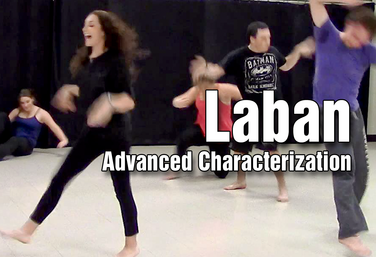
Laban: Advanced Characterization
by Drama Teacher Academy
Musical Theatre Overview
by Drama Teacher Academy
The Evolution of Musical Theatre
by Drama Teacher Academy
Reflection in Role: Musical Theatre in the Real World
by Drama Teacher Academy
Culminating Project: Creating a Musical
by Drama Teacher Academy
.png)
View all Standards for Georgia Performance Standards - Theatre Arts Standards Master List
