Alberta, Canada
Technical Theatre/Design 10-20-30 - Costume

18 units • 14 professional development courses aligned to
6 - demonstrate understanding of the value of the sketch as a tool in creating and communicating ideas in costume design
View all Standards for Alberta, Canada

6 demonstrate understanding of the value of the sketch as a tool in creating and communicating ideas in costume design

This page lists 18 units and 14 professional development courses aligned to 6 from the Alberta, Canada. Designed for drama teachers, these resources directly address 6 - demonstrate understanding of the value of the sketch as a tool in creating and communicating ideas in costume design

The Do-it-All Director's Introduction to Costuming

by Holly Beardsley
10 modules 2 hours, 12 minutes 4 Credit Hours
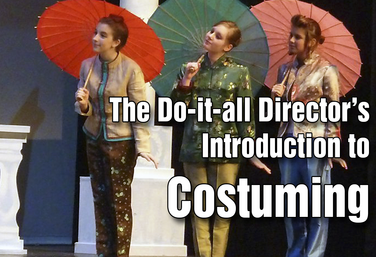
Do you know the difference between a bustle and a buckram frame? Or what works best as an emergency hem? Some directors are blessed with a big budget and a full support staff—a choreographer, a set designer, and a costumer. But the drama teacher often becomes director, choreographer, set designer, and costumer all in one. And a budget? What’s a budget? The Do-It-All Director’s Introduction to Costuming will give you, the director, who must do it all, the confidence and skills to costume and direct, no matter your experience or budget. This course will teach you costuming basics, budget tricks, organization, and most importantly, the art of costuming as a director.

The Production Classroom

by Karen Loftus
8 modules 1 hours, 46 minutes 4 Credit Hours
In The Production Classroom, instructor Karen Loftus will show you how to explore ways that you can produce shows during your regular class time. The course gives you a series of exercises and reflections that help you determine everything, from the type of show you may want to do, to the way you can divide up your class and responsibilities, to specific assignments that will keep your students engaged and focused. The Production Classroom is the ultimate in project-based learning. Students learn to work collaboratively while setting goals and working towards a successful finished project. The course includes exercises and strategies to use with students to help assure their success in the production. Multiple examples and anecdotes help you to envision what the production classroom could look like in your room, performance space or theatre.

Tech for Non-Techies: Teaching Technical Theatre in Your Drama Classroom

by Josh Hatt
10 modules 3 hours, 23 minutes 7 Credit Hours
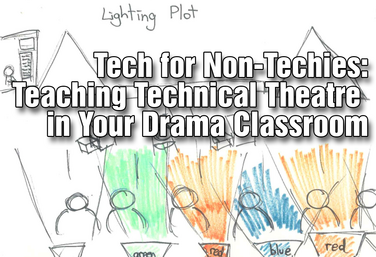
In this course, instructor Joshua Hatt shows you how to unpack your drama standards, articulate what you want your students to know and be able to do. The material explores how to incorporate lights, sound, makeup, staging, and costuming into your drama class at any grade level regardless of your school resources or unit structure. Bells and whistles? Awesome! Barely a classroom? We’ve still got you covered. This 9 lesson series works from the basics and standards, though lighting, sound, costuming, staging, and makeup design, and culminates with a final project including rubrics, resources, and handouts. A wise theatre technician once said: “the theatre mirrors life but technical theatre teachers us how to live.” Try to keep that statement in mind as you work through this course and see if we can make you a believer in all things technical theatre.

Hands-On Theatre History: Creating a Modern Day Morality Play

by Wendy-Marie Martin
11 modules 1 hours, 25 minutes 3 Credit Hours
Who says theatre history has to be boring? Hands-On Theatre History: Creating a Modern Day Morality play is an interactive course by Wendy-Marie Martin, combining hands-on activities with research and analysis techniques leading to a full performance of the popular medieval morality play, Everyman. This course gives students an overview of the medieval period and the various medieval play forms and teaches students the key points of storytelling and adaptation. It includes dynamic individual and group exercises leading students from the first steps of the adaptation process through a final, full-class performance of Everyman—and proves, once and for all, that theatre history can be fun and exciting to learn.

Tech Knowledge: Integrating Tech Throughout Your Rehearsal Process

by Claire Broome
17 modules 1 hours, 52 minutes 3 Credit Hours
This course will help you integrate technical theatre earlier in the creative process to help reduce the stress of tech week, and make sure you have what you need before choosing a show. We will explore how to include your technical theatre team from day one and will help you have an easier experience throughout the rehearsal process and final performances.

Big Picture Blocking: Staging Your Play Outside-In

by Todd Espeland
10 modules 2 hours, 3 minutes 6 Credit Hours
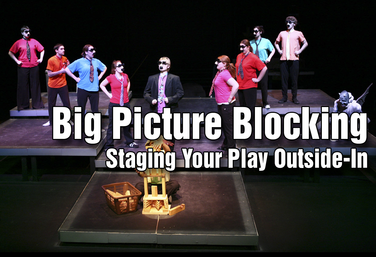
Working in educational theatre I know how easy it is to get bogged down in actor coaching and away from the bigger picture storytelling when directing a show. I saw a need for a method of text analysis and physical staging tools that help the director stay focused on the bigger picture of telling the story of the play. This class is in two parts: The first consists of the text analysis tools P.A.S.T.O and Major Dramatic Question. From these tools you will brainstorm keywords to define your vision of the story. In the second part of the class you will focus on taking the information generated in the text analysis and crafting the ideas into vibrant physical pictures through an exercise called Starburst.

Concept-Based Design for the Theatre Teacher

by Matt Webster
10 modules 1 hours, 38 minutes 3 Credit Hours
Concept-Based Design is a method of design that allows the director and production team to create a unified world based on the ideas, perceptions and images extracted from an in-depth analysis of the play. Matt Webster designed this course for theatre teachers in a typical school setting with limited budgets, space and materials to use towards the design of their shows. Many theatre teachers feel most unsure about their design and tech skills and Matt wanted to help those teachers look at design differently, and make designing a show a little less scary and a little more fun!

The Do-it-All Director's Introduction to Set Design

by Holly Beardsley
10 modules 1 hours, 40 minutes 3 Credit Hours
Holly Beardsley is a do-it-all director. She started directing middle and high school students in her early college years and since then has written over ten shows and directed twice as many. Do-it-all directors are responsible for everything it seems – the direction, the costuming, the choreography and of course, the set too. And though directors are ready to direct, to costume and even dance, there is something intimidating about designing and building a set. The Do-it-All Director’s Introduction to Set Design will give you the director, who must do-it-all, the confidence and skills to not only direct but build your own set as well - no matter your experience or budget. This course will teach you set design basics, construction tips, budget tricks, and how to tackle your precious performance space armed with a hammer, and most importantly, without fear.

Commedia II: Style

by Todd Espeland

11 modules 2 hours, 31 minutes 7 Credit Hours
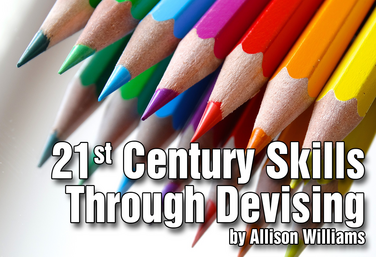
Commedia dell’arte is a 16th Century masked acting form. It’s the basis of all comedy and it’s a form that many teachers want to include in their curriculum. Instructor Todd Espeland has designed two courses that work hand-in-hand with teaching this fantastic physical form. In Commedia II: Style - Todd moves on to the specific style of Commedia dell’arte. This includes a history of commedia, the stock characters and how to physicalize them, sample lazzi and a capstone assignment. The course includes video demonstrations so you can see the exercises and activities in action.

Creating the Ensemble-Based Classroom

by Gai Jones
5 modules 2 hours, 12 minutes 4 Credit Hours
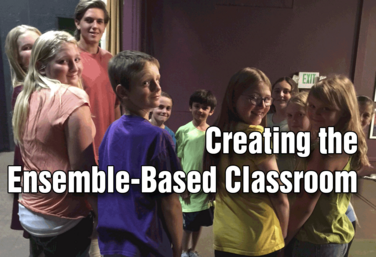
Gai Jones will help you establish an ensemble-based environment from the first day of class or rehearsal. Learn how to set up your ensemble-based classroom from day one, get students to set classroom norms, and find the balance between creative activity and structure. You’ll learn how to give your students creative freedom through structure and classroom management. The cornerstone of this course are the detailed ensemble experiences from large group to small group and even individual experiences. This course culminates in a devising model that you can use with your students, and takes you through process, product, performance and an evaluation. You too can create the ensemble-based classroom.

21st Century Skills Through Devising

by Allison Williams
12 modules 1 hours, 18 minutes 4 Credit Hours
Allison Williams leads the course: 21st Century Skills Through Devising. This course covers what devising is, why to do it, how to do it, and how your students can master the 21st Century Skills of collaborations and cooperation, critical thinking, creative thinking through devising. High school is a great place to try devising with your students. But it’s not something you want to throw at your students without any preparation. Framework is important and this course takes you through a number of exercises you can take into the classroom tomorrow to help build a place of physical safety, a place where students work at making a lot of choices instead of waiting for the perfect choice, and a place where students feel comfortable making creative choices. The material also reviews the process of putting together a show from the idea/research stage to editing, to giving feedback. Your students have what it takes to create their own material, collaborate with each other, and have a unique theatrical experience!

Director's Toolbox 2: Teaching Students to Direct

by James Van Leishout
8 modules 2 hours, 47 minutes 4 Credit Hours
Director’s Toolbox 2: Teaching Students to Direct, explores the tools of the actor, rehearsal, space, and design. The tool of the actor will focus on creating a safe place to play, auditions, and how to communicate with actors. Rehearsals will look at the whole process from the first meeting to opening night. The tool of space will explore how to direct in different spaces and how to create focus through stage composition. Discover how an understanding of the elements of design help student-directors communicate with designers. The final step is a return to self and the mastery of self evaluation.

Introduction to Teaching Mask: 2nd Edition

by Allison Williams
13 modules 2 hours, 13 minutes 6 Credit Hours
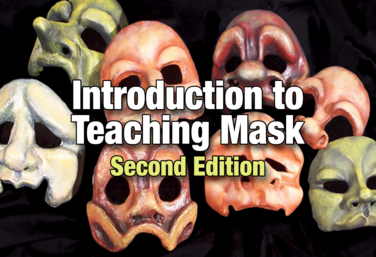
In Introduction to Teaching Mask: 2nd Edition, Allison Williams gives you a toolkit of mask and movement exercises to teach students to make big, confident physical choices, to work in their bodies, and play different characters - masked and unmasked. By working through the exercises in this course, you, the teacher, will also gain an understanding of basic physical acting and learn some easy specific tools to coach your students – not just in mask, but in all their performance work. Access to masks is required, but previous experience with masks is not.

Screenplays 101 - Part 1: Basic Structure

by Nicholas Pappas

8 modules 1 hours, 22 minutes 3 Credit Hours
Screenwriter Nick Pappas leads a two-part course on screenplays 101. Great scriptwriting is not something that can be covered in a single course: so we're going to start with the basics. Those basics are going to be split up into a Part 1 and a Part 2. Part 1, this course, will concentrate on basic film structure. Part 2 will concentrate on screenplay formatting. By the end of this course, students should have a basic understanding of history, terminology, and are able to identify the barest bones of the three-act structure, all with an eye toward developing their own screenplay.

View all Standards for Alberta, Canada    Standards Master List

How can we help? Open chat