Facebook Pixel Skip to main content

Alberta, Canada
Junior Goal I Objectives

32 units • 16 professional development courses aligned to
extend the ability to understand, accept and respect others- their rights, ideas, abilities and differences
View all Standards for Alberta, Canada

extend the ability to understand, accept and respect others- their rights, ideas, abilities and differences

This page lists 32 units and 16 professional development courses aligned to from the Alberta, Canada. Designed for drama teachers, these resources directly address extend the ability to understand, accept and respect others- their rights, ideas, abilities and differences

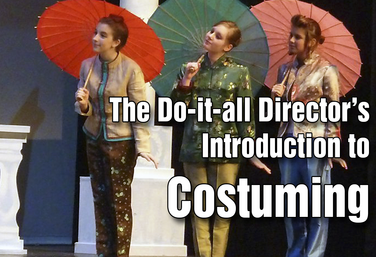
The Do-it-All Director's Introduction to Costuming

by Holly Beardsley
10 modules 2 hours, 12 minutes 4 Credit Hours
Do you know the difference between a bustle and a buckram frame? Or what works best as an emergency hem? Some directors are blessed with a big budget and a full support staff—a choreographer, a set designer, and a costumer. But the drama teacher often becomes director, choreographer, set designer, and costumer all in one. And a budget? What’s a budget? The Do-It-All Director’s Introduction to Costuming will give you, the director, who must do it all, the confidence and skills to costume and direct, no matter your experience or budget. This course will teach you costuming basics, budget tricks, organization, and most importantly, the art of costuming as a director.

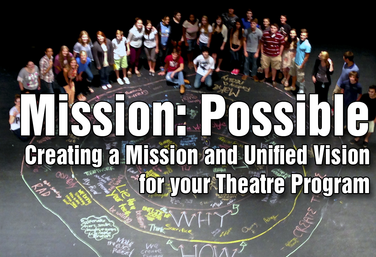
Mission Possible: Creating A Mission And Unified Vision For Your Theatre Program

by Amy Patel
7 modules 56 minutes 2 Credit Hours
Whether you're in a new school or have an existing program, you can use a Mission Statement to define your program, unify your students and let everyone know from administration, to parents, to the community why you do theatre, what you do and how you do it. Learn how to create this powerful and vital statement with your students. Mission Possible takes you through step by step from asking the right questions, to looking at your school culture and traditions, to writing and revising, to shouting your statement from the rooftops.

Concept-Based Design for the Theatre Teacher

by Matt Webster
10 modules 1 hours, 38 minutes 3 Credit Hours
Concept-Based Design is a method of design that allows the director and production team to create a unified world based on the ideas, perceptions and images extracted from an in-depth analysis of the play. Matt Webster designed this course for theatre teachers in a typical school setting with limited budgets, space and materials to use towards the design of their shows. Many theatre teachers feel most unsure about their design and tech skills and Matt wanted to help those teachers look at design differently, and make designing a show a little less scary and a little more fun!

Close Reading in the Drama Classroom

by Lindsay Price
11 modules 3 hours, 38 minutes 7 Credit Hours
Close reading is an activity that puts curriculum standards into practice and it can be easily applied to the drama classroom. Close reading asks a lot of your students. They have to read and think at the same time. This course teaches drama teachers how the close reading process works, and gives them exercises and tools to apply it in the classroom.

Introduction to Stage Management Part One

by Karen Loftus
8 modules 1 hours, 16 minutes 3 Credit Hours
In this course, instructor Karen Loftus explores the responsibilities of a stage manager. You'll learn exercises that will help you demonstrate those responsibilities and the necessary skills of a stage manager to your students. You'll learn how to train your students to serve as stage managers for your school’s productions. The course takes you through what a stage manager does prior to rehearsal and throughout the rehearsal and performance process to have a smooth-running backstage. It includes learning about the paperwork required, including prompt scripts, rehearsal preparations, notating blocking, and a stage manager’s kit and checklist to wrap it all together.

Introduction to Stage Management Part Two

by Karen Loftus
8 modules 1 hours, 28 minutes 3 Credit Hours
Karen Loftus instructs this second course in stage management - a companion to Introduction to Stage Management Part One. This course will review the major concepts covered in Introduction to Stage Management, and discuss the different types of technical rehearsals and how student stage managers prepare for and run them. You’ll learn how to teach your students to notate and call cues for a show. The course will also introduce strategies for student stage managers who work with student crews. It will discuss how you can provide the support your student stage managers need to be effective, and how that support helps to strengthen your overall program and theatre community. Student stage managers start in the classroom, train during school productions, and can take these newly discovered and acquired skills on with them to colleges and careers and theatre (and beyond)!

Theatre Etiquette 101

by Kerry Hishon
11 modules 1 hours, 40 minutes 3 Credit Hours
Instructor Kerry Hishon is an actor, director, writer, and stage combatant with years of experience in youth theatre. Her course, Theatre Etiquette 101, is designed to help students be successful in their theatrical journeys. When teaching students who are brand new to theatre, it’s important to discuss and apply the expectations of the drama classroom and the theatrical world. This course starts by explaining "what is theatre etiquette", and then moves through every step in the production process from audition to post-show recovery. Every module has tips for both you and your students, classroom exercises, rehearsal exercises, and reflections. There are also printable posters included to use in your classroom or backstage.

The Production Classroom

by Karen Loftus
8 modules 1 hours, 46 minutes 4 Credit Hours
In The Production Classroom, instructor Karen Loftus will show you how to explore ways that you can produce shows during your regular class time. The course gives you a series of exercises and reflections that help you determine everything, from the type of show you may want to do, to the way you can divide up your class and responsibilities, to specific assignments that will keep your students engaged and focused. The Production Classroom is the ultimate in project-based learning. Students learn to work collaboratively while setting goals and working towards a successful finished project. The course includes exercises and strategies to use with students to help assure their success in the production. Multiple examples and anecdotes help you to envision what the production classroom could look like in your room, performance space or theatre.

21st Century Skills Through Devising

by Allison Williams
12 modules 1 hours, 18 minutes 4 Credit Hours
Allison Williams leads the course: 21st Century Skills Through Devising. This course covers what devising is, why to do it, how to do it, and how your students can master the 21st Century Skills of collaborations and cooperation, critical thinking, creative thinking through devising. High school is a great place to try devising with your students. But it’s not something you want to throw at your students without any preparation. Framework is important and this course takes you through a number of exercises you can take into the classroom tomorrow to help build a place of physical safety, a place where students work at making a lot of choices instead of waiting for the perfect choice, and a place where students feel comfortable making creative choices. The material also reviews the process of putting together a show from the idea/research stage to editing, to giving feedback. Your students have what it takes to create their own material, collaborate with each other, and have a unique theatrical experience!

The Empathetic Classroom

by Steven Stack
8 modules 2 hours, 6 minutes 4 Credit Hours
Why should you take a class on empathy? And why is theatre the perfect vehicle for empathy? Empathy, the more sought-after and inclusive cousin of sympathy, is the experiencing of someone else’s experience in the world. What it would be like if you were wearing their clothes, their life? Teaching students to understand the clothes that they’re putting on, the characters and their lives teaches students not how to act but how to be. It allows the students to feel what someone else feels and experiences, which can and should translate to their fellow actors and peers away from the stage. It will lead to a stronger class connection, stronger performances and stronger students who will seek out understanding instead of isolation and fear.

Teaching Theatre with Divergent Students and Class Sizes in Mind

by Steven Stack

5 modules 1 hours, 41 minutes 3 Credit Hours
Have you ever wondered how in the world you can have a successful theatre classroom with so many variables that you have absolutely no control over? The two biggest ones being the size of your class and the students that you’re in charge of turning into some truly talented theatre geeks. This course by Steven Stack explores that wonderful and often ridiculous world of theatre classrooms while giving you the tools for you and your students to not only succeed but to flourish as well. Lessons will include how to make any size class the Goldilocks class as in "just right", defining and working with all types of students you may encounter in your classroom, the seven must-haves of any theatre class, and the importance of structure in the theatre classroom by providing a guideline for setting up your day-to-day class time. The course also provides tons of ideas, games and activities that you can use instantly in your classroom. So, if you’re a first-time theatre teacher or one just looking for new ideas, this is the course for you.

Director's Toolbox 2: Teaching Students to Direct

by James Van Leishout

8 modules 2 hours, 47 minutes 4 Credit Hours
Director’s Toolbox 2: Teaching Students to Direct, explores the tools of the actor, rehearsal, space, and design. The tool of the actor will focus on creating a safe place to play, auditions, and how to communicate with actors. Rehearsals will look at the whole process from the first meeting to opening night. The tool of space will explore how to direct in different spaces and how to create focus through stage composition. Discover how an understanding of the elements of design help student-directors communicate with designers. The final step is a return to self and the mastery of self evaluation.

Play Adaptation Project

by Lindsay Price
6 modules 44 minutes 2 Credit Hours
Adaptation is a fabulous classroom project: it requires students to analyze, adapt, modify, plan synthesize, devise. All the higher order thinking skills. But you can’t just throw a narrator into a script and call it a day. You have to have a preparation process leading up to the writing process. In this course you will learn practical exercises and a path to prepare your students to take on their own adaptation project. We’ll look at the guidelines to adaptation, things to think about when choosing a text, how to analyze the source material and writing that first draft. So join me, Lindsay Price, in the Play Adaptation Project.

Soft Skills, The Tangible Value of the Drama Curriculum

by Matt Webster

6 modules 48 minutes 2 Credit Hours
This course is about the fact that so-called soft skills are sought after and highly valued in professional work environments, educational settings, and in everyday social interactions. They're valuable life skills, but we can't always identify these skills within a standard educational setting, and yet, they are incredibly useful in education and beyond. That's why it's important to be able to identify these soft skills in the classroom and in the educational process and to recognize that these soft skills are being taught every day in the drama curriculum. We need to concentrate our efforts into making sure that these skills are identified and utilized within our classrooms. They are built into every arts curriculum a school offers, especially the theater arts.

Empathy 2.0

by Steven Stack

7 modules 1 hours, 30 minutes 3 Credit Hours
Brought to you by instructor Steven Stack, creator of The Empathetic Classroom, this course looks at ways to move on from the worldwide pandemic, while honoring the past and learning from it. In the past year, students had many things taken from them: school, hanging out with friends, freedom, hope, and innocence. With this course, each session will highlight one specific topic relating to moving on. There will also be activities for each session that will help your students own the past, embrace their own and others’ narratives and scars, create a stronger classroom community, find ways to be where their feet are planted, and learn to play again.

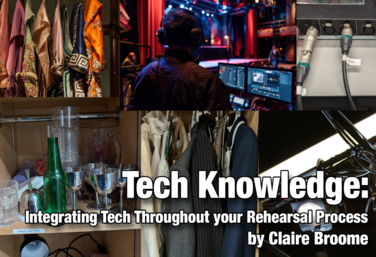
Tech Knowledge: Integrating Tech Throughout Your Rehearsal Process

by Claire Broome

17 modules 1 hours, 52 minutes 3 Credit Hours
This course will help you integrate technical theatre earlier in the creative process to help reduce the stress of tech week, and make sure you have what you need before choosing a show. We will explore how to include your technical theatre team from day one and will help you have an easier experience throughout the rehearsal process and final performances.

View all Standards for Alberta, Canada    Standards Master List