Facebook Pixel Skip to main content

Georgia Performance Standards OLD 2010 - Theatre Arts
GRADE 6

11 units • 21 professional development courses aligned to
TAMS6.3 - Acting by developing, communicating, and sustaining roles within a variety of situations and environments
a. Demonstrates effective verbal and non-verbal communication skills
b. Demonstrates the relationship between a character’s background and the character’s method of communication
c. Interprets motivation for a character’s behavior
d. Demonstrates appropriate interactions between characters
e. Explores the variety of relationships between characters

View all Standards for Georgia Performance Standards OLD 2010 - Theatre Arts

TAMS6.3 Acting by developing, communicating, and sustaining roles within a variety of situations and environments
a. Demonstrates effective verbal and non-verbal communication skills
b. Demonstrates the relationship between a character’s background and the character’s method of communication
c. Interprets motivation for a character’s behavior
d. Demonstrates appropriate interactions between characters
e. Explores the variety of relationships between characters

This page lists 11 units and 21 professional development courses aligned to TAMS6.3 from the Georgia Performance Standards OLD 2010 - Theatre Arts . Designed for drama teachers, these resources directly address TAMS6.3 - Acting by developing, communicating, and sustaining roles within a variety of situations and environments
a. Demonstrates effective verbal and non-verbal communication skills
b. Demonstrates the relationship between a character’s background and the character’s method of communication
c. Interprets motivation for a character’s behavior
d. Demonstrates appropriate interactions between characters
e. Explores the variety of relationships between characters

Commedia dell'Arte

by Todd Espeland

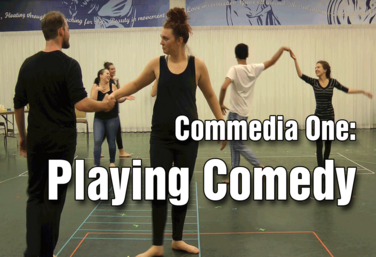
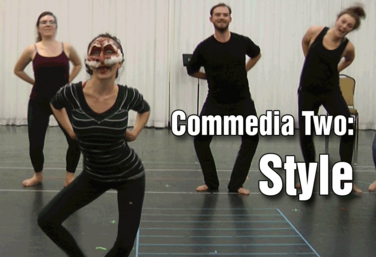
Commedia dell’arte is a 16th century masked acting form. It is the basis of all comedy, including all tv sitcoms. This form is characterized by masked types and archetypical characters and a specific way of playing comedy. To that end, this unit is divided into two parts. Part One focuses on the foundations of commedia - playing comedy. These principles will be important to learn when it comes to developing commedia characters, specifically the physicality of the characters. Part Two will cover lazzi. Note: there are links to video demos in many of the lessons of this unit.

Production Classroom Units Overview

by Karen Loftus

The overview lays out the all of the parts of The Production Classroom Units - which is divided into three parts. In Part One, you’ll take your students through a series of pre-production units designed to help students gain as much comprehension as possible about putting on a successful production. Part Two offers articles on each step in the process, samples and forms, a suggested pacing, role definitions and task checklists, an outline for a typical class, as well as performance duties. This section also outlines the assessment piece for The Production Classroom – the production binder. Part Three provides a Post-Performance Reflection. Unpack the experience with students, reflect back on what went right and what could be changed for next time. A written Reflection is included as well as a Rubric for student production binders.

Part One - Pre-Production

by Karen Loftus

In Part One of The Production Classroom, you’ll take your students through a series of pre-production units designed to help students gain as much comprehension as possible about putting on a successful production.

Part Two - Rehearsal and Performance

by Karen Loftus

Part Two offers articles on each step in the process, samples and forms, a suggested pacing, role definitions and task checklists, an outline for a typical class, as well as performance duties. This section also outlines the assessment piece for The Production Classroom – the production binder.

Part Two - Documents

by Karen Loftus

This section provides samples and worksheets for actor forms, costume department, general binder, lighting and sound, marketing samples, scenic and prop samples, and stage management and production manager samples and forms.

Part Three - Reflection and Assessment

by Karen Loftus

Part Three provides a Post-Performance Reflection. Unpack the experience with students, reflect back on what went right and what could be changed for next time. A written Reflection is included as well as a Rubric for student production binders.

Theatre Etiquette

by Kerry Hishon

When teaching students who are brand new to theatre, it’s important to discuss and apply the expectations of the drama classroom and the theatrical world. How do you implement and instill theatre etiquette in your classroom and your rehearsals – before a show and backstage? A cohesive theatrical community starts with the rules and codes of behaviour both onstage and off. Topics covered within the unit include: What is Etiquette, Real World vs Theatre World Etiquette, Audience Etiquette, Audition Etiquette, Pre-Show and Performance Etiquette. The unit ends with a culminating activity which included a rubric and reflection.

Theatre of the Absurd

by Lea Marshall

We included this unit in our Distance Learning Curriculum because if any group of students would understand how the world turned upside down and then apply it to theatre, it would be the students dealing with a global pandemic. First, we take two lessons to go over the historical and philosophical background of Theatre of the Absurd. We start with a visual exercise to bring students into the emotional bleakness of the landscape and then group work to look at some of the other foundational elements that will drive the absurdist movement into the theatres. Next, we break down absurd scripts into some “recognizable” elements of language, plot structure, acting choices, and storyline. In each lesson that introduces an absurdist element, there is an opportunity for students to “play” with the element.

The Autobiographical Monologue

by Gai Jones

All students have something to say and a story to tell. They can relate to their personal stories better than anyone else. All students have a lot of material which can be used as part of an original monologue. In this unit, students will write an autobiographical monologue based on their personal expertise, memories, distinct point of view, sense of truth, and life experiences. Through the process, students will be encouraged to explore past stories, objects, and images and other personal material.

Introduction to Mask

by Allison Williams

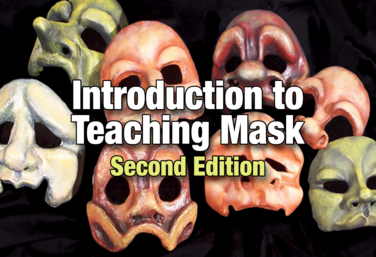
This unit focuses on having students gain an understanding of basic physical acting and learn some specific tools to use in mask work. Instructor Allison Williams has developed this unit, and explains "What I love most about mask work is how, by having students cover their faces, they are able to find freedom to express themselves physically. They often make bigger choices than we’re normally used to seeing them make in class." In this unit, students will work step by step from identifying shapes in the mask to using those shapes to creating a character zero to learning how to move in the mask utilizing the qualities of movement to applying everything they’ve learned in short scenes. The unit will culminate with students working in pairs to create original mask scenes. You will need masks to complete the unit. And while mask-making can be a lot of fun, it’s a lengthy and messy project. A list is provided in the Overview of where you may be able to buy or rent masks for use in your classroom.

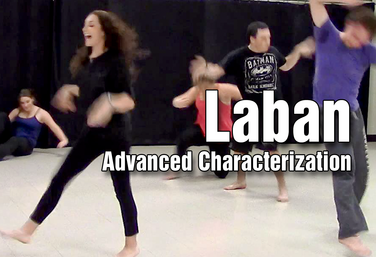
Laban: Advanced Characterization

by Drama Teacher Academy
This is an advanced acting unit in playing character through the Laban movement technique. Students will explore dance theorist Rudolf Laban’s eight efforts and their component parts; turn these elements into physicalizations through which one can express character; use Laban efforts and connect them to a character’s voice and body; and demonstrate knowledge through the creation of an original character. Reminder: This is an advanced acting unit. You will need students who can do work on their own outside of class time, commit to movement and sound, and commit to making instinctual choices.

View all Standards for Georgia Performance Standards OLD 2010 - Theatre Arts    Standards Master List