
Georgia Performance Standards - Theatre Arts
Grades 9-12 - TECHNICAL THEATRE LEVELS I-IV - Producing
42 units • 22 professional development courses aligned to
TAHSTT.PR.1 - Produce technical elements in theatre.
a. Identify, explain, and demonstrate standard safety guidelines and operating procedures for tools and equipment used in formal and informal theatre productions.
b. Identify and interpret design and construction documentation, materials, techniques, and procedures for production.
c. Differentiate between stock and non-standard material, scenic, or technical elements related to a production.
d. Conduct initial research about design to inform further development of the production concept.
e. Explore and/or produce an appropriate series of design documentation for a theatrical production (e.g. thumbnail sketches, swatches, first renderings, mixed media presentation).
View all Standards for Georgia Performance Standards - Theatre Arts
TAHSTT.PR.1 Produce technical elements in theatre.
a. Identify, explain, and demonstrate standard safety guidelines and operating procedures for tools and equipment used in formal and informal theatre productions.
b. Identify and interpret design and construction documentation, materials, techniques, and procedures for production.
c. Differentiate between stock and non-standard material, scenic, or technical elements related to a production.
d. Conduct initial research about design to inform further development of the production concept.
e. Explore and/or produce an appropriate series of design documentation for a theatrical production (e.g. thumbnail sketches, swatches, first renderings, mixed media presentation).
This page lists 42 units and 22 professional development courses aligned to TAHSTT.PR.1 from the Georgia Performance Standards - Theatre Arts . Designed for drama teachers, these resources directly address TAHSTT.PR.1 - Produce technical elements in theatre.
a. Identify, explain, and demonstrate standard safety guidelines and operating procedures for tools and equipment used in formal and informal theatre productions.
b. Identify and interpret design and construction documentation, materials, techniques, and procedures for production.
c. Differentiate between stock and non-standard material, scenic, or technical elements related to a production.
d. Conduct initial research about design to inform further development of the production concept.
e. Explore and/or produce an appropriate series of design documentation for a theatrical production (e.g. thumbnail sketches, swatches, first renderings, mixed media presentation).
Ancient Greek Theatre
by Lindsay Price
Ancient Greek Theatre
by Karen Loftus
Commedia Dell'Arte
by Karen Loftus
Scenic Design
by Karen Loftus
Costuming
by Holly Beardsley
Lighting
by Josh Hatt
Sound
by Josh Hatt
Costuming
by Josh Hatt
Staging
by Josh Hatt
Free Play Makeup
by Josh Hatt
Culminating Project
by Josh Hatt
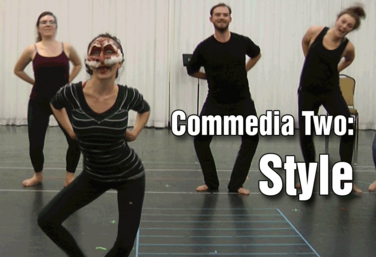
Commedia dell'Arte
by Todd Espeland
Production Classroom Units Overview
by Karen Loftus
Part One - Pre-Production
by Karen Loftus
Part Two - Rehearsal and Performance
by Karen Loftus
Part Two - Documents
by Karen Loftus
Part Three - Reflection and Assessment
by Karen Loftus
East Meets West: Theatre Traditions
by Marsha Walner
Introduction to Set Design *Hyperdoc
by Lea Marshall
Elements of Costume Design *Hyperdoc
by Anna Porter
Scenic Design
by Karen Loftus
Scenic Construction
by Karen Loftus
Scenic Painting
by Holly Beardsley and Karen Loftus
Props
by Karen Loftus and Kerry Hishon
Lighting
by Karen Loftus, Josh Hatt, and Kerry Hishon
Sound
by Karen Loftus and Josh Hatt
Costume Design
by Holly Beardsley, Karen Loftus, and Josh Hatt
Costume Construction
by Karen Loftus
Make-Up Design
by Karen Loftus and Josh Hatt
Culminating Project
by Karen Loftus
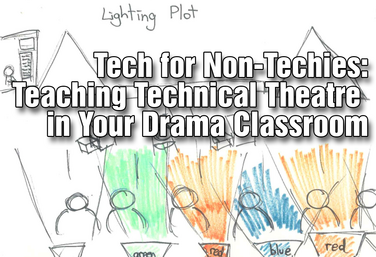
Designing with Light: No Tech Required
by Kerry Hishon
Indigenous Storytelling Unit
by Allison Green
Anti-Realism
by Wendy-Marie Martin
Theatre Radically Reimagined: Exploring Artaud, Grotowski, and Boal
by Ruthie Tutterow
Character Development with an Indigenous Perspective
by Allison Green
Indigenous Symbolism in the Drama Classroom
by Allison Green
Tech Theatre Unit: Costuming When You Don't Sew
by Drama Teacher Academy
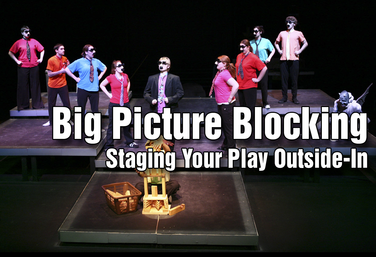
Scene Staging
by Lindsay Price
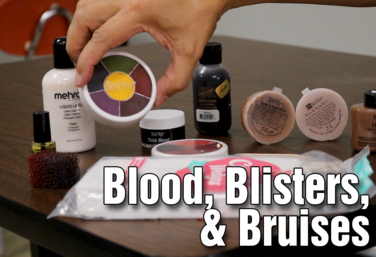
Blood, Blisters & Bruises Makeup
by Matt Webster
Introduction to Musical Theatre
by Drama Teacher Academy
The Evolution of Musical Theatre
by Drama Teacher Academy
Culminating Project: Creating a Musical
by Drama Teacher Academy
View all Standards for Georgia Performance Standards - Theatre Arts Standards Master List