Facebook Pixel Skip to main content

Alberta, Canada
Technical Theatre - Levels I, II, III - Awareness

39 units • 16 professional development courses aligned to
2 - demonstrate understanding of the basic functions of the component being studied.

View all Standards for Alberta, Canada

2 demonstrate understanding of the basic functions of the component being studied.

This page lists 39 units and 16 professional development courses aligned to 2 from the Alberta, Canada. Designed for drama teachers, these resources directly address 2 - demonstrate understanding of the basic functions of the component being studied.
The Do-it-All Director's Introduction to Costuming

by Holly Beardsley
10 modules 2 hours, 12 minutes 4 Credit Hours
Do you know the difference between a bustle and a buckram frame? Or what works best as an emergency hem? Some directors are blessed with a big budget and a full support staff—a choreographer, a set designer, and a costumer. But the drama teacher often becomes director, choreographer, set designer, and costumer all in one. And a budget? What’s a budget? The Do-It-All Director’s Introduction to Costuming will give you, the director, who must do it all, the confidence and skills to costume and direct, no matter your experience or budget. This course will teach you costuming basics, budget tricks, organization, and most importantly, the art of costuming as a director.

Concept-Based Design for the Theatre Teacher

by Matt Webster
10 modules 1 hours, 38 minutes 3 Credit Hours
Concept-Based Design is a method of design that allows the director and production team to create a unified world based on the ideas, perceptions and images extracted from an in-depth analysis of the play. Matt Webster designed this course for theatre teachers in a typical school setting with limited budgets, space and materials to use towards the design of their shows. Many theatre teachers feel most unsure about their design and tech skills and Matt wanted to help those teachers look at design differently, and make designing a show a little less scary and a little more fun!

Yes, And... How to Teach Improv

by Jennine Profeta
10 modules 2 hours, 10 minutes 4 Credit Hours
“Yes, and…” is the guiding principle behind all improv. This course will teach you how to teach improv, and more importantly how to give feedback to your students. The course looks at making strong offers and also using gibberish to ironically improv communication skills. You will also see how feelings can safely be used to add flavour and get laughs in our scenes. Jennine Profeta, Second City performer and theatre educator, leads this course with a clear methodology for teaching and giving positive nurturing feedback. This course will give you all the tools and the insight you need to teach improv with confidence.

Introduction to Stage Management Part One

by Karen Loftus
8 modules 1 hours, 16 minutes 3 Credit Hours
In this course, instructor Karen Loftus explores the responsibilities of a stage manager. You'll learn exercises that will help you demonstrate those responsibilities and the necessary skills of a stage manager to your students. You'll learn how to train your students to serve as stage managers for your school’s productions. The course takes you through what a stage manager does prior to rehearsal and throughout the rehearsal and performance process to have a smooth-running backstage. It includes learning about the paperwork required, including prompt scripts, rehearsal preparations, notating blocking, and a stage manager’s kit and checklist to wrap it all together.

Introduction to Stage Management Part Two

by Karen Loftus
8 modules 1 hours, 28 minutes 3 Credit Hours
Karen Loftus instructs this second course in stage management - a companion to Introduction to Stage Management Part One. This course will review the major concepts covered in Introduction to Stage Management, and discuss the different types of technical rehearsals and how student stage managers prepare for and run them. You’ll learn how to teach your students to notate and call cues for a show. The course will also introduce strategies for student stage managers who work with student crews. It will discuss how you can provide the support your student stage managers need to be effective, and how that support helps to strengthen your overall program and theatre community. Student stage managers start in the classroom, train during school productions, and can take these newly discovered and acquired skills on with them to colleges and careers and theatre (and beyond)!

Theatre Etiquette 101

by Kerry Hishon
11 modules 1 hours, 40 minutes 3 Credit Hours
Instructor Kerry Hishon is an actor, director, writer, and stage combatant with years of experience in youth theatre. Her course, Theatre Etiquette 101, is designed to help students be successful in their theatrical journeys. When teaching students who are brand new to theatre, it’s important to discuss and apply the expectations of the drama classroom and the theatrical world. This course starts by explaining "what is theatre etiquette", and then moves through every step in the production process from audition to post-show recovery. Every module has tips for both you and your students, classroom exercises, rehearsal exercises, and reflections. There are also printable posters included to use in your classroom or backstage.

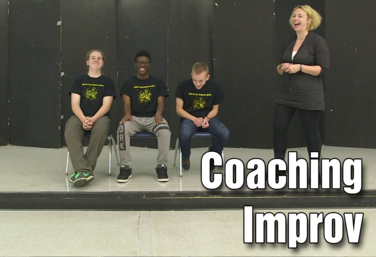
Coaching Improv

by Jennine Profeta

9 modules 2 hours, 14 minutes 4 Credit Hours
Second City performer and theatre educator Jennine Profeta is back and ready to help you take your Improv classes to the next level. It’s all getting students to perform - and how to be a great improv coach who can keep them supported and grounded (and having fun!) In this course, you’ll learn the golden rules of improv. You’ll learn a bunch of improv games (great for warm-ups, teaching tools, and even for competitions). You’ll learn Jennine’s tips and tricks for what to look for when coaching and how to troubleshoot common issues. The course is designed to help you improv as an ensemble and give you the know-how to coach with confidence whether it’s in the classroom or on the stage!

Basic Lighting for Drama Teachers

by Claire Broome
6 modules 36 minutes 1 Credit Hour
Join drama teacher Claire Broome and explore the basics of lighting, including lighting systems and instruments, lighting plots, how to record a lighting cue, and alternative sources of lighting. You’ll learn some practical, hands-on ways of using lighting in your classroom or theatre, whether you have a lighting system or not. This course is packed with hands-on examples, activities for your students, and videos to develop your students’ understanding. Find out why lighting is such an important character in a production.

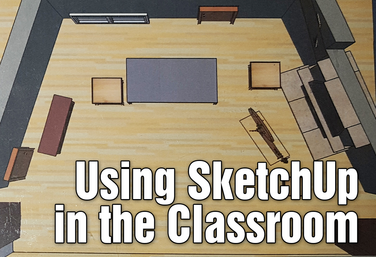
Using SketchUp in the Classroom

by Ray Palasz
6 modules 55 minutes 2 Credit Hours
Instructor Ray Palasz leads this introductory course in using SketchUp in the classroom. This course is broken down into five easy modules. One, downloading the program. Two, getting started with using the program. Three, drawing two and three-dimensional objects. Four, using the 3D warehouse, which will save you and your students tons of time. And five, a sample assignment and assessment for your students. Each module also comes with a handout with visuals from SketchUp to guide you through the process. You will learn how SketchUp can add so much to your program.

The Production Classroom

by Karen Loftus
8 modules 1 hours, 46 minutes 4 Credit Hours
In The Production Classroom, instructor Karen Loftus will show you how to explore ways that you can produce shows during your regular class time. The course gives you a series of exercises and reflections that help you determine everything, from the type of show you may want to do, to the way you can divide up your class and responsibilities, to specific assignments that will keep your students engaged and focused. The Production Classroom is the ultimate in project-based learning. Students learn to work collaboratively while setting goals and working towards a successful finished project. The course includes exercises and strategies to use with students to help assure their success in the production. Multiple examples and anecdotes help you to envision what the production classroom could look like in your room, performance space or theatre.

Making Blood and Gore Tutorial

by Linda Veneris
7 modules 33 minutes 2 Credit Hours
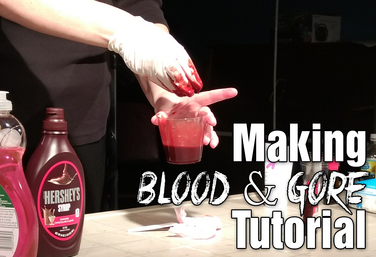
This tutorial, led by Linda Veneris, shows teachers and students how to make blood and gore with easy to find, everyday ingredients. Included are recipes, video demonstrations, and top 10 tips for working with students on blood and gore. This tutorial can be part of a stage makeup unit in your classroom as well as for productions.

Tech for Non-Techies: Teaching Technical Theatre in Your Drama Classroom

by Josh Hatt
10 modules 3 hours, 23 minutes 7 Credit Hours
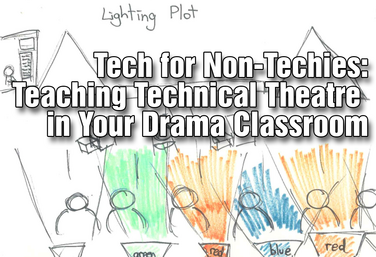
In this course, instructor Joshua Hatt shows you how to unpack your drama standards, articulate what you want your students to know and be able to do. The material explores how to incorporate lights, sound, makeup, staging, and costuming into your drama class at any grade level regardless of your school resources or unit structure. Bells and whistles? Awesome! Barely a classroom? We’ve still got you covered. This 9 lesson series works from the basics and standards, though lighting, sound, costuming, staging, and makeup design, and culminates with a final project including rubrics, resources, and handouts. A wise theatre technician once said: “the theatre mirrors life but technical theatre teachers us how to live.” Try to keep that statement in mind as you work through this course and see if we can make you a believer in all things technical theatre.

Director's Toolbox 2: Teaching Students to Direct

by James Van Leishout
8 modules 2 hours, 47 minutes 4 Credit Hours
Director’s Toolbox 2: Teaching Students to Direct, explores the tools of the actor, rehearsal, space, and design. The tool of the actor will focus on creating a safe place to play, auditions, and how to communicate with actors. Rehearsals will look at the whole process from the first meeting to opening night. The tool of space will explore how to direct in different spaces and how to create focus through stage composition. Discover how an understanding of the elements of design help student-directors communicate with designers. The final step is a return to self and the mastery of self evaluation.

Impowerment Improv

by Jennine Profeta
6 modules 56 minutes 2 Credit Hours
Jennine Profeta, Second City performer and theatre educator, leads this course. This course was designed to give a teacher tools to create a safe environment in which students can go beyond their old patterns to take risks, embrace failure, be more confident and aware of the effects of their word choice. The course includes modules on risk-taking, creating a safe environment, failure, confidence, and positive/negative speak.

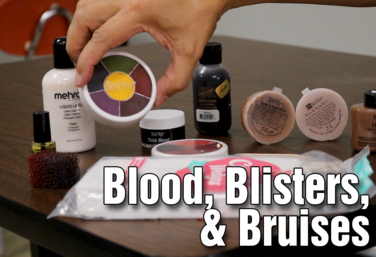
Blood, Blisters & Bruises

by Matt Webster
6 modules 1 hours, 8 minutes 3 Credit Hours
Welcome to Blood, Blisters, and Bruises. This is an introductory course to learn how to use makeup to create scars, blisters, and bruises with a little blood on the side, and a special bonus section on creating zombies. You’re going to learn the techniques and materials you will need to do these special effects, and how to teach your students to do these special effects.

Tech Knowledge: Integrating Tech Throughout Your Rehearsal Process

by Claire Broome

17 modules 1 hours, 52 minutes 3 Credit Hours
This course will help you integrate technical theatre earlier in the creative process to help reduce the stress of tech week, and make sure you have what you need before choosing a show. We will explore how to include your technical theatre team from day one and will help you have an easier experience throughout the rehearsal process and final performances.

View all Standards for Alberta, Canada    Standards Master List