Alberta, Canada
Junior Goal I Objectives

85 units • 27 professional development courses aligned to
develop the ability to initiate, organize and present a project within a given set of guidelines

View all Standards for Alberta, Canada

develop the ability to initiate, organize and present a project within a given set of guidelines

This page lists 85 units and 27 professional development courses aligned to from the Alberta, Canada. Designed for drama teachers, these resources directly address develop the ability to initiate, organize and present a project within a given set of guidelines
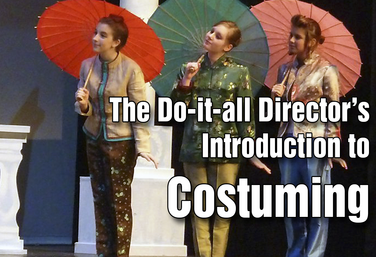
The Do-it-All Director's Introduction to Costuming

by Holly Beardsley
10 modules 2 hours, 12 minutes 4 Credit Hours
Do you know the difference between a bustle and a buckram frame? Or what works best as an emergency hem? Some directors are blessed with a big budget and a full support staff—a choreographer, a set designer, and a costumer. But the drama teacher often becomes director, choreographer, set designer, and costumer all in one. And a budget? What’s a budget? The Do-It-All Director’s Introduction to Costuming will give you, the director, who must do it all, the confidence and skills to costume and direct, no matter your experience or budget. This course will teach you costuming basics, budget tricks, organization, and most importantly, the art of costuming as a director.

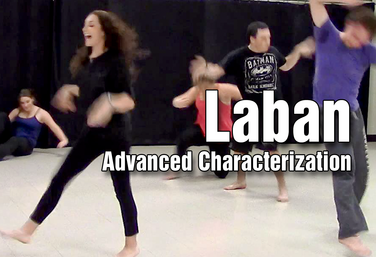
Laban: Advanced Characterization

by Todd Espeland
9 modules 2 hours, 5 minutes 8 Credit Hours
Learn about the Laban system to teach your students to physically and vocally discover character. This is an advanced course, which means that the course goes deep into exploring character and exploring character work through the work of Rudolph Laban.

Concept-Based Design for the Theatre Teacher

by Matt Webster
10 modules 1 hours, 38 minutes 3 Credit Hours
Concept-Based Design is a method of design that allows the director and production team to create a unified world based on the ideas, perceptions and images extracted from an in-depth analysis of the play. Matt Webster designed this course for theatre teachers in a typical school setting with limited budgets, space and materials to use towards the design of their shows. Many theatre teachers feel most unsure about their design and tech skills and Matt wanted to help those teachers look at design differently, and make designing a show a little less scary and a little more fun!

Yes, And... How to Teach Improv

by Jennine Profeta
10 modules 2 hours, 10 minutes 4 Credit Hours
“Yes, and…” is the guiding principle behind all improv. This course will teach you how to teach improv, and more importantly how to give feedback to your students. The course looks at making strong offers and also using gibberish to ironically improv communication skills. You will also see how feelings can safely be used to add flavour and get laughs in our scenes. Jennine Profeta, Second City performer and theatre educator, leads this course with a clear methodology for teaching and giving positive nurturing feedback. This course will give you all the tools and the insight you need to teach improv with confidence.

Theatre Etiquette 101

by Kerry Hishon
11 modules 1 hours, 40 minutes 3 Credit Hours
Instructor Kerry Hishon is an actor, director, writer, and stage combatant with years of experience in youth theatre. Her course, Theatre Etiquette 101, is designed to help students be successful in their theatrical journeys. When teaching students who are brand new to theatre, it’s important to discuss and apply the expectations of the drama classroom and the theatrical world. This course starts by explaining "what is theatre etiquette", and then moves through every step in the production process from audition to post-show recovery. Every module has tips for both you and your students, classroom exercises, rehearsal exercises, and reflections. There are also printable posters included to use in your classroom or backstage.

Coaching Improv

by Jennine Profeta

9 modules 2 hours, 14 minutes 4 Credit Hours
Second City performer and theatre educator Jennine Profeta is back and ready to help you take your Improv classes to the next level. It’s all getting students to perform - and how to be a great improv coach who can keep them supported and grounded (and having fun!) In this course, you’ll learn the golden rules of improv. You’ll learn a bunch of improv games (great for warm-ups, teaching tools, and even for competitions). You’ll learn Jennine’s tips and tricks for what to look for when coaching and how to troubleshoot common issues. The course is designed to help you improv as an ensemble and give you the know-how to coach with confidence whether it’s in the classroom or on the stage!

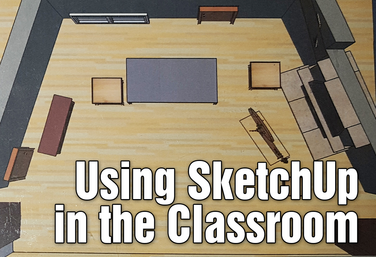
Using SketchUp in the Classroom

by Ray Palasz
6 modules 55 minutes 2 Credit Hours
Instructor Ray Palasz leads this introductory course in using SketchUp in the classroom. This course is broken down into five easy modules. One, downloading the program. Two, getting started with using the program. Three, drawing two and three-dimensional objects. Four, using the 3D warehouse, which will save you and your students tons of time. And five, a sample assignment and assessment for your students. Each module also comes with a handout with visuals from SketchUp to guide you through the process. You will learn how SketchUp can add so much to your program.

The Production Classroom

by Karen Loftus
8 modules 1 hours, 46 minutes 4 Credit Hours
In The Production Classroom, instructor Karen Loftus will show you how to explore ways that you can produce shows during your regular class time. The course gives you a series of exercises and reflections that help you determine everything, from the type of show you may want to do, to the way you can divide up your class and responsibilities, to specific assignments that will keep your students engaged and focused. The Production Classroom is the ultimate in project-based learning. Students learn to work collaboratively while setting goals and working towards a successful finished project. The course includes exercises and strategies to use with students to help assure their success in the production. Multiple examples and anecdotes help you to envision what the production classroom could look like in your room, performance space or theatre.

Old Age Makeup Tutorial

by Matt Webster
8 modules 1 hours, 10 minutes 2 Credit Hours
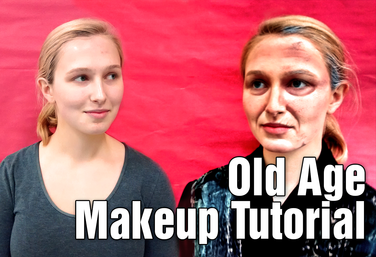
Instructor Matt Webster guides this tutorial on Old Age Makeup. Old age is the number one special effect makeup you will do and it’s a great process to teach in your class. This video series takes you visually step by step through everything you need to know about creating old age makeup, from the subtle to the extreme. You can view each step individually so they can be practiced one at a time in the classroom. The first part is the temple and the forehead. The second part are the cheeks and the jaw. Third will be lips, chin, and nose. Fourth is a section on the face called the nasolabial fold. Fifth, the eyes. And the sixth section will be looking at wrinkles, stippling and finishing the makeup look. These sections are designed to be seen one at a time and to teach within a 90-minute class between instruction, setup, practice, and cleanup. When you put them all together, you will have the parts and pieces to make a full old age makeup.

Introduction to Stage Makeup

by Matt Webster
9 modules 54 minutes 2 Credit Hours
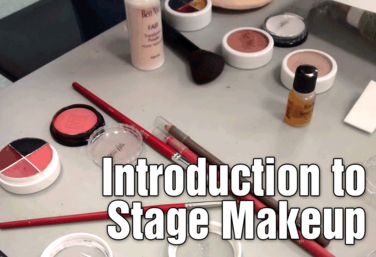
This introductory course in Stage Makeup is brought to you by Matt Webster, and covers all the basics. You’ll learn the tools you can use to build a makeup kit, how to match skin tone, what are the shapes of the face and how those shapes affect everything you do with makeup. You’ll learn about highlight and shadow, blending, basic corrective makeup, safety and hygiene, and lastly, tips for teaching makeup. And throughout, sample exercises are included so you have the information you need to bring stage makeup into the drama classroom.

Teaching Musical Theatre in the Drama Classroom

by Colin Oliver
7 modules 1 hours, 51 minutes 4 Credit Hours
Colin Oliver leads this introduction to teaching Musical Theatre in the Drama Classroom. In this course, you will learn how to build musical theatre into your dramatic courses of study. “Why might you want to do that? Singing is scary! You want me to teach my students how to do it? I don’t even know how to do it.” This course approaches musical theatre preparation performance much as we would approach preparing a monologue in drama. If you use script analysis in monologue preparation in your class, you can teach musical theatre. By the end of this course, you’ll have a great, full-body physical warm-up, a student-driven research assignment, character development exercises, a little bit of musical theory, and a performance assignment complete with assessment. So, join us for teaching Musical Theatre in the Drama Classroom. It’s as easy as Do-Re-Mi!

21st Century Skills Through Devising

by Allison Williams
12 modules 1 hours, 18 minutes 4 Credit Hours
Allison Williams leads the course: 21st Century Skills Through Devising. This course covers what devising is, why to do it, how to do it, and how your students can master the 21st Century Skills of collaborations and cooperation, critical thinking, creative thinking through devising. High school is a great place to try devising with your students. But it’s not something you want to throw at your students without any preparation. Framework is important and this course takes you through a number of exercises you can take into the classroom tomorrow to help build a place of physical safety, a place where students work at making a lot of choices instead of waiting for the perfect choice, and a place where students feel comfortable making creative choices. The material also reviews the process of putting together a show from the idea/research stage to editing, to giving feedback. Your students have what it takes to create their own material, collaborate with each other, and have a unique theatrical experience!

Preventing Pandemonium: Part 1

by Maria Smith

12 modules 3 hours, 43 minutes 8 Credit Hours
In Preventing Pandemonium Part 1, Maria Smith will share with you a classroom management tool critical to success. It’s called procedures. Procedures are daily classroom management routines that are the key to classroom management success. They are the essential element of classroom management. This course will give you straightforward, practical “this is how you do it” information, as well as procedures catered specifically to the drama classroom, to help you maintain order from start to finish, even during that chaotic group practice time. Imagine yourself in a classroom where you can spend most of your time teaching and keep students on track without the constant lecturing. If that sounds appealing, then start the first module.

Shakespeare's Toolkit

by Todd Espeland
9 modules 3 hours, 3 minutes 6 Credit Hours
Todd Espeland has the experience to know that having more tools in your toolbox makes you a better actor. This is especially important when teaching students how to approach Shakespeare. They need help breaking through the language barrier and into the character’s needs and into the character’s thoughts. The tools that you’ll receive in this course will do just that. The course looks at scansion as a tool for breaking down Shakespeare’s verse, the importance of end of lines, and caesura. Caesura is an inner-line pause which is a lot of fun to play with and really, helps us provide insight to the character’s thoughts and into their needs. The course provides numerous examples and handouts, and culminates in a performance assignment to use with your students.

Preventing Pandemonium: Part 2

by Maria Smith
9 modules 2 hours, 4 minutes 6 Credit Hours
In Preventing Pandemonium Part 02, instructor Maria Smith shares a classroom management strategy that transformed her class from a discipline zone to a thriving environment. It’s called positive incentives (or rewards) that make your students want to behave and participate positively in the drama classroom. This course includes straightforward “this is how you do it” information, as well as posters, passes and rewards for teachers to print out and use in your classroom. Learn how positive incentives cut down the need for discipline,and find the joy in teaching.

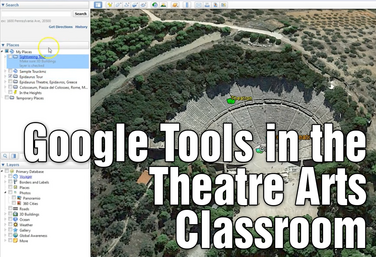
Google Tools in the Theatre Arts Classroom

by Anna Porter
9 modules 1 hours, 32 minutes 3 Credit Hours
Have you been wanting to find some new ways to enhance your classroom with technology? Have you been told you need to integrate technology in your classroom but don’t know where to start or what would even make sense to use in the drama classroom? Whether you want to find some new ways to diversify your instruction and assessment, provide new resources and opportunities for your students, or simply needs some help with organization and communication, Google Tools has a treasure trove of resources ready for you to use today. Instructor Anna Porter covers the tools of Google Forms, Photos, Calendar, Earth, Custom Search and Sites. Each lesson has video examples of how to use the tools as well as tips and resources for each module.

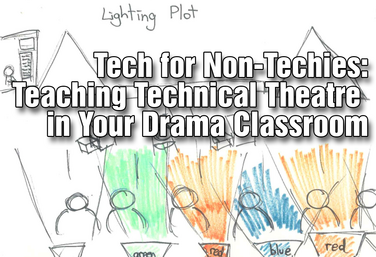
Tech for Non-Techies: Teaching Technical Theatre in Your Drama Classroom

by Josh Hatt
10 modules 3 hours, 23 minutes 7 Credit Hours
In this course, instructor Joshua Hatt shows you how to unpack your drama standards, articulate what you want your students to know and be able to do. The material explores how to incorporate lights, sound, makeup, staging, and costuming into your drama class at any grade level regardless of your school resources or unit structure. Bells and whistles? Awesome! Barely a classroom? We’ve still got you covered. This 9 lesson series works from the basics and standards, though lighting, sound, costuming, staging, and makeup design, and culminates with a final project including rubrics, resources, and handouts. A wise theatre technician once said: “the theatre mirrors life but technical theatre teachers us how to live.” Try to keep that statement in mind as you work through this course and see if we can make you a believer in all things technical theatre.

Teaching Theatre with Divergent Students and Class Sizes in Mind

by Steven Stack

5 modules 1 hours, 41 minutes 3 Credit Hours
Have you ever wondered how in the world you can have a successful theatre classroom with so many variables that you have absolutely no control over? The two biggest ones being the size of your class and the students that you’re in charge of turning into some truly talented theatre geeks. This course by Steven Stack explores that wonderful and often ridiculous world of theatre classrooms while giving you the tools for you and your students to not only succeed but to flourish as well. Lessons will include how to make any size class the Goldilocks class as in "just right", defining and working with all types of students you may encounter in your classroom, the seven must-haves of any theatre class, and the importance of structure in the theatre classroom by providing a guideline for setting up your day-to-day class time. The course also provides tons of ideas, games and activities that you can use instantly in your classroom. So, if you’re a first-time theatre teacher or one just looking for new ideas, this is the course for you.

Marketing the Arts

by James Van Leishout

8 modules 2 hours, 1 minutes 4 Credit Hours
This course covers the four stages of creating and implementing a marketing plan. It starts with the question, what are you selling?, and goes all the way through to evaluation. The course covers both traditional and new media, with examples and opportunities to apply the learning to each teacher's own situation.

Director's Toolbox 2: Teaching Students to Direct

by James Van Leishout
8 modules 2 hours, 47 minutes 4 Credit Hours
Director’s Toolbox 2: Teaching Students to Direct, explores the tools of the actor, rehearsal, space, and design. The tool of the actor will focus on creating a safe place to play, auditions, and how to communicate with actors. Rehearsals will look at the whole process from the first meeting to opening night. The tool of space will explore how to direct in different spaces and how to create focus through stage composition. Discover how an understanding of the elements of design help student-directors communicate with designers. The final step is a return to self and the mastery of self evaluation.

Play Adaptation Project

by Lindsay Price
6 modules 44 minutes 2 Credit Hours
Adaptation is a fabulous classroom project: it requires students to analyze, adapt, modify, plan synthesize, devise. All the higher order thinking skills. But you can’t just throw a narrator into a script and call it a day. You have to have a preparation process leading up to the writing process. In this course you will learn practical exercises and a path to prepare your students to take on their own adaptation project. We’ll look at the guidelines to adaptation, things to think about when choosing a text, how to analyze the source material and writing that first draft. So join me, Lindsay Price, in the Play Adaptation Project.

Get Students to Embrace Failure in the Drama Classroom

by Lindsay Price
5 modules 38 minutes 1 Credit Hour
This course by Lindsay Price explores strategies you can use to encourage students to embrace failure rather than see it as a point of shame or something to hide from. Our goal for students is to embrace a try/fail/try again/fail/try again/succeed formula. Each module in this course comes with exercises and activities that you’ll be able to take into the classroom right away. It’s one thing to talk about embracing failure, it’s another to give students practical tools to help them achieve that goal. Join Lindsay in getting students to embrace failure in the drama classroom as we look at Failure from a Yes! perspective.

Practical Approaches to Shakespeare in the Drama Classroom

by Julie Hartley

19 modules 3 hours, 9 minutes 5 Credit Hours
Shakespeare is one of the greatest resources a drama teacher can have: scenes packed with action; opportunities to explore comedy and physical theatre; rich themes and characters to act as springboards for devised theatre; the chance to work with our language at its finest and – most importantly – ideas that relate directly to the experiences and preoccupations of students. Yet Shakespeare isn’t easy. The language can seem dense, and finding a way in can be tough – especially for drama teachers who have not themselves studied Shakespeare. That’s the goal of this course – to help teachers find a way in. This course presents teachers with as many ways in to the exploration of Shakespeare as possible. Action scenes, themes, characters, different theatre styles, and devised theatre projects. Students will be armed with the tools they need to begin individually exploring monologues, or working together on scenes.

Hands-On Theatre History: Anti-Realism

by Wendy-Marie Martin
11 modules 1 hours, 41 minutes 3 Credit Hours
This course is a mix of individual and group activities requiring students to use both their analytical and creative mind. It gives students an overview on the Anti-Realism movement of the late-19th and early-20th century, and introduces them to some key theorists, playwrights, and theater makers involved in this movement. Together we will guide students through the wild world of the “isms,” more specifically Symbolism, Dadaism, Surrealism, Expressionism and Absurdism. We will introduce students to various manifestos and theories as we track the characteristics of each of our five “isms.” As we combine analysis and creative exercises, students bring their entire self to process and prepare to design an ISM Theme Park project, which they will share with the class at the end of the course.

Impowerment Improv

by Jennine Profeta
6 modules 56 minutes 2 Credit Hours
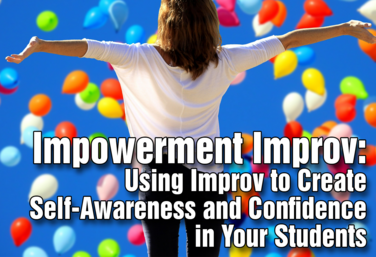
Jennine Profeta, Second City performer and theatre educator, leads this course. This course was designed to give a teacher tools to create a safe environment in which students can go beyond their old patterns to take risks, embrace failure, be more confident and aware of the effects of their word choice. The course includes modules on risk-taking, creating a safe environment, failure, confidence, and positive/negative speak.

Maximizing Your Ensemble: Shoestring 101

by Michael Calderone
8 modules 2 hours, 53 minutes 4 Credit Hours
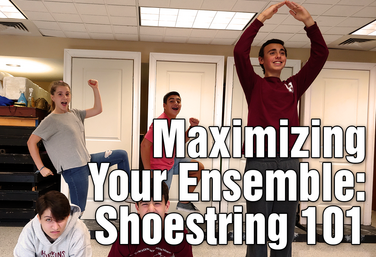
This seven-part series is designed to transform that gaggle of actors cluttering your backstage from cumbersome extras into nothing less than the very center of your production. Instructor Michael Calderone leads this course, through games and exercises geared to maximize your ensemble for your next production. These lessons are based on the ensemble technique that he's been using for the last 30 years, called the shoestring method. The ensemble has a responsibility to work as one, and no role is more important than another. Without each actor playing their part, the other actors cannot tell the story to the best of their abilities. So join Michael in learning more about this exciting, practical and dramatic method.

Tech Knowledge: Integrating Tech Throughout Your Rehearsal Process

by Claire Broome

17 modules 1 hours, 52 minutes 3 Credit Hours
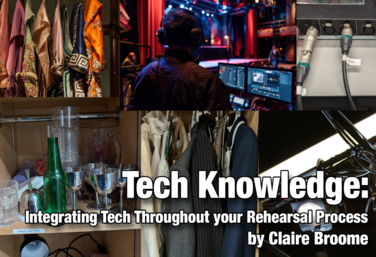
This course will help you integrate technical theatre earlier in the creative process to help reduce the stress of tech week, and make sure you have what you need before choosing a show. We will explore how to include your technical theatre team from day one and will help you have an easier experience throughout the rehearsal process and final performances.

View all Standards for Alberta, Canada    Standards Master List